Menu Redesign


Menu Redesign hero

Project Overview

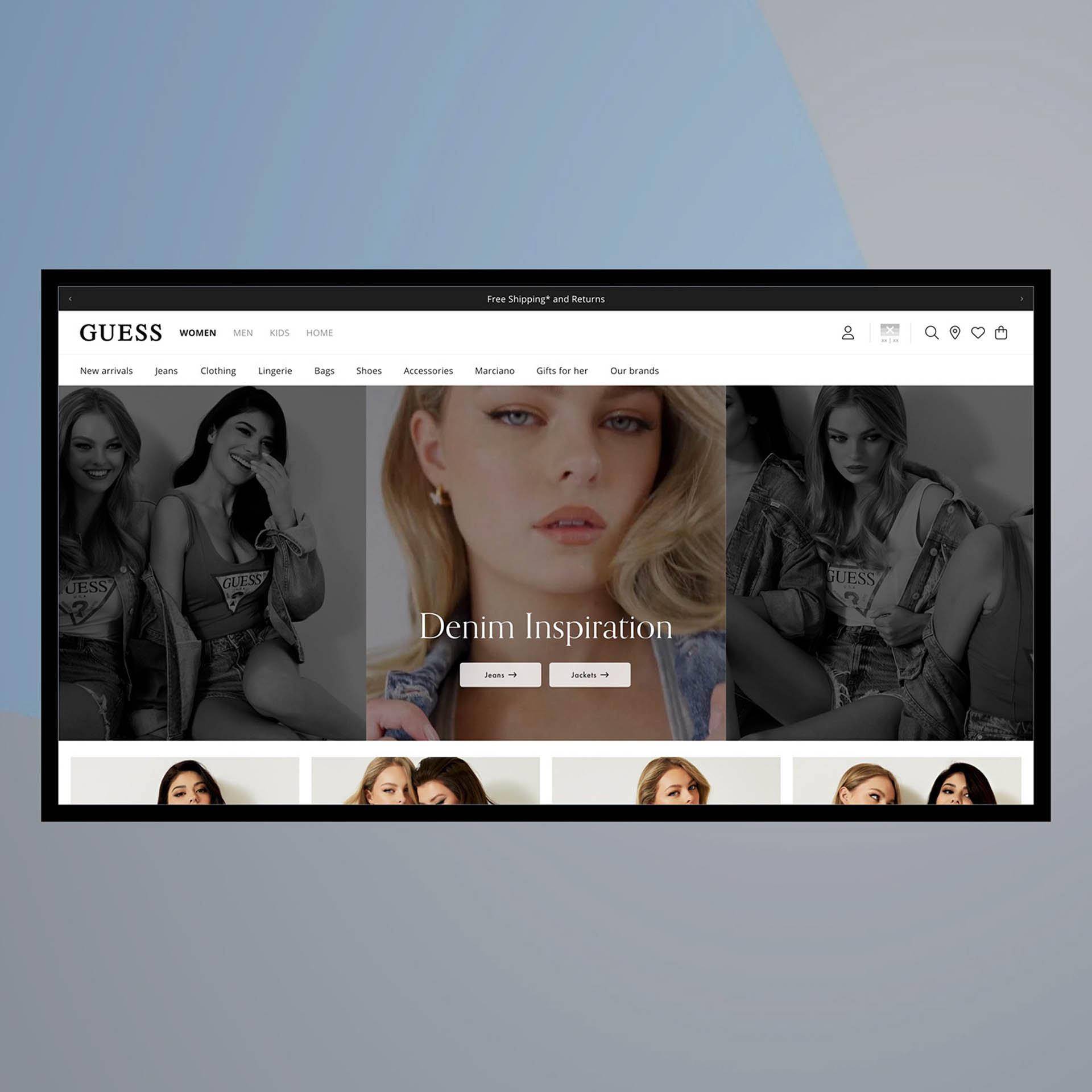
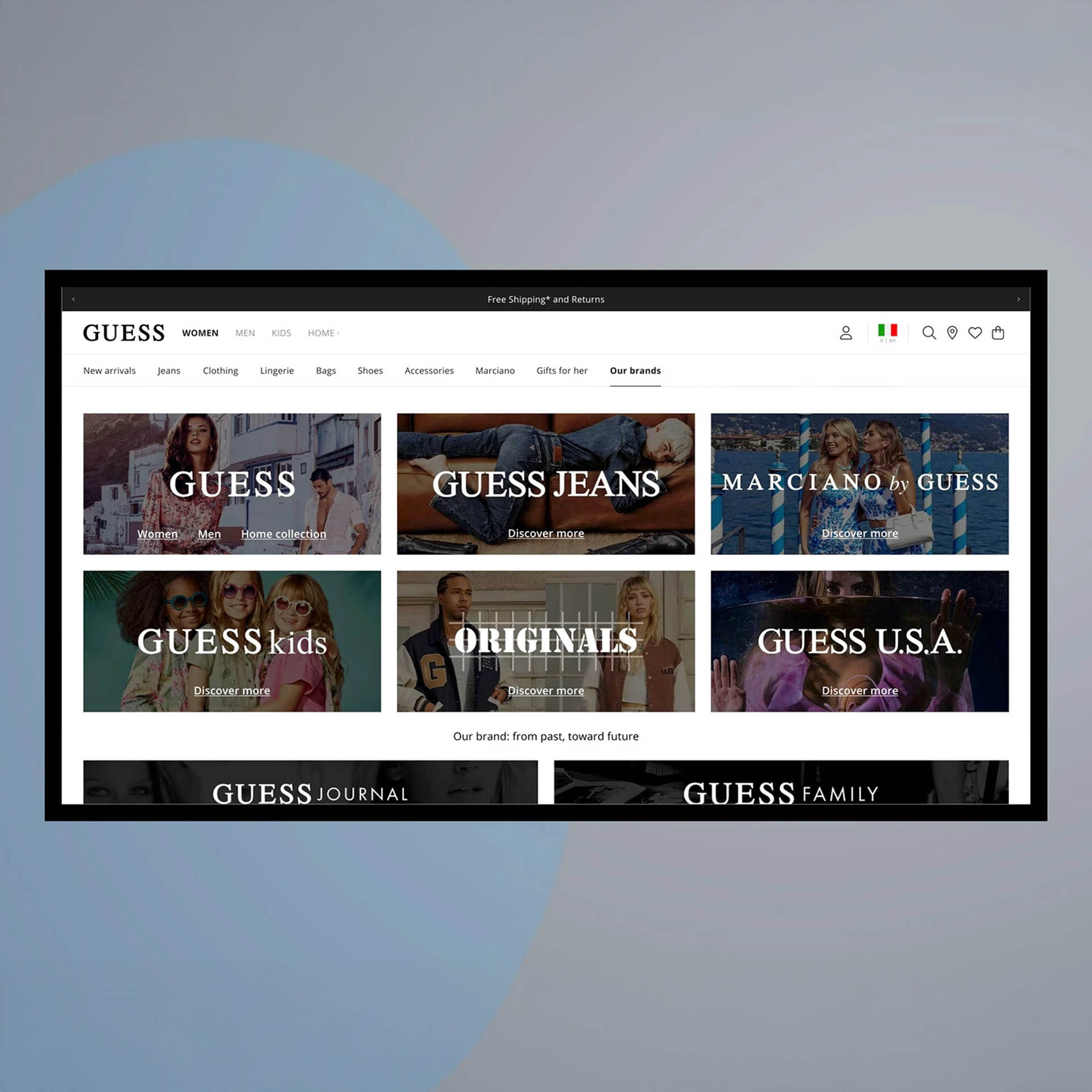
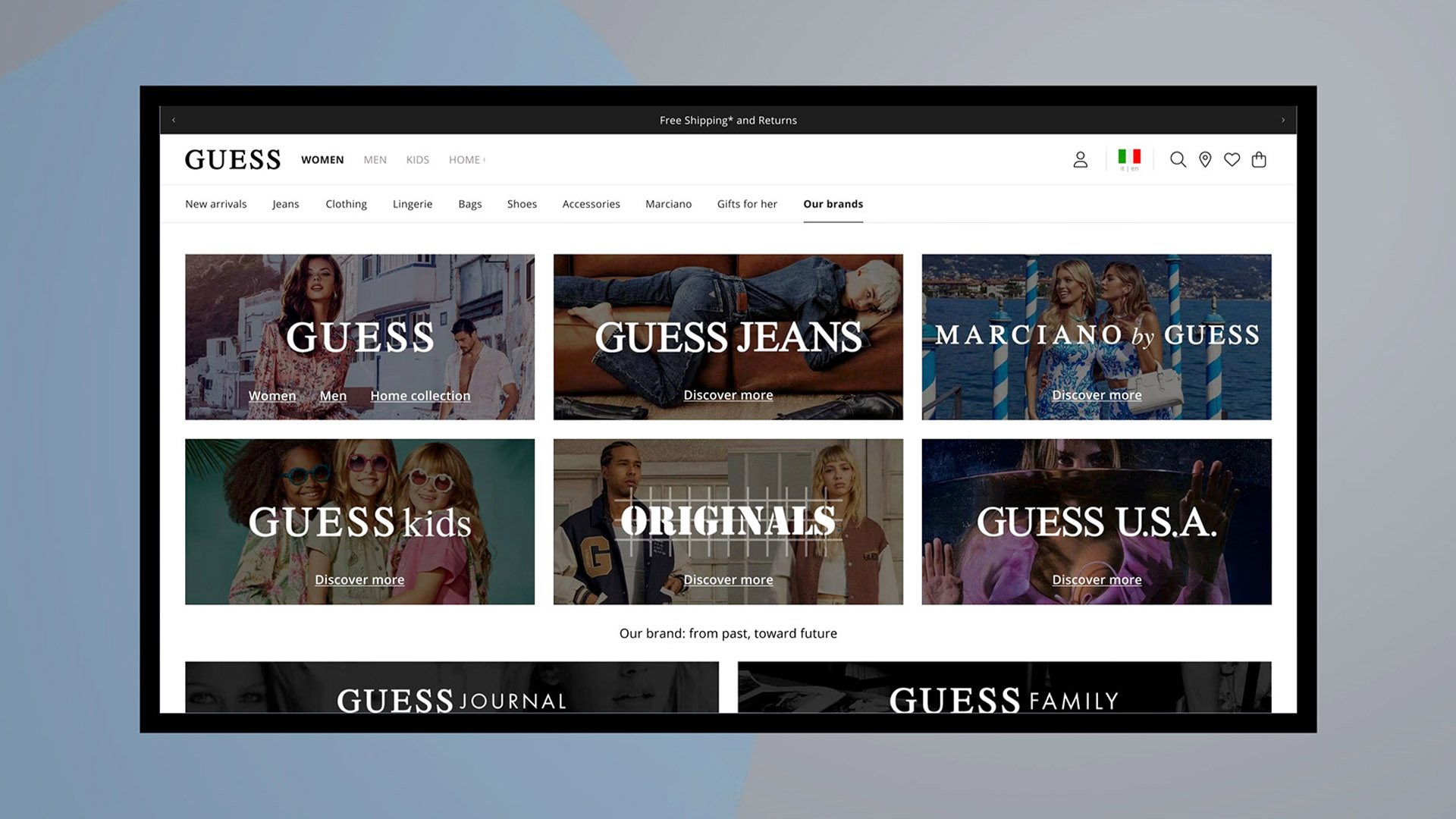
This project was executed in 2022 with the primary goal of giving greater visibility to brands and creating dedicated landing pages for women, men, and children. The initiative addressed a critical user behavior issue: users were not navigating to other brands and remained on the main Guess brand, often leaving the site to search on Google or use the site's search function instead.

The redesign aimed to create a more intuitive navigation experience that would encourage brand discovery and improve cross-brand engagement, ultimately increasing user retention and conversion rates across all brand properties.
The Problem

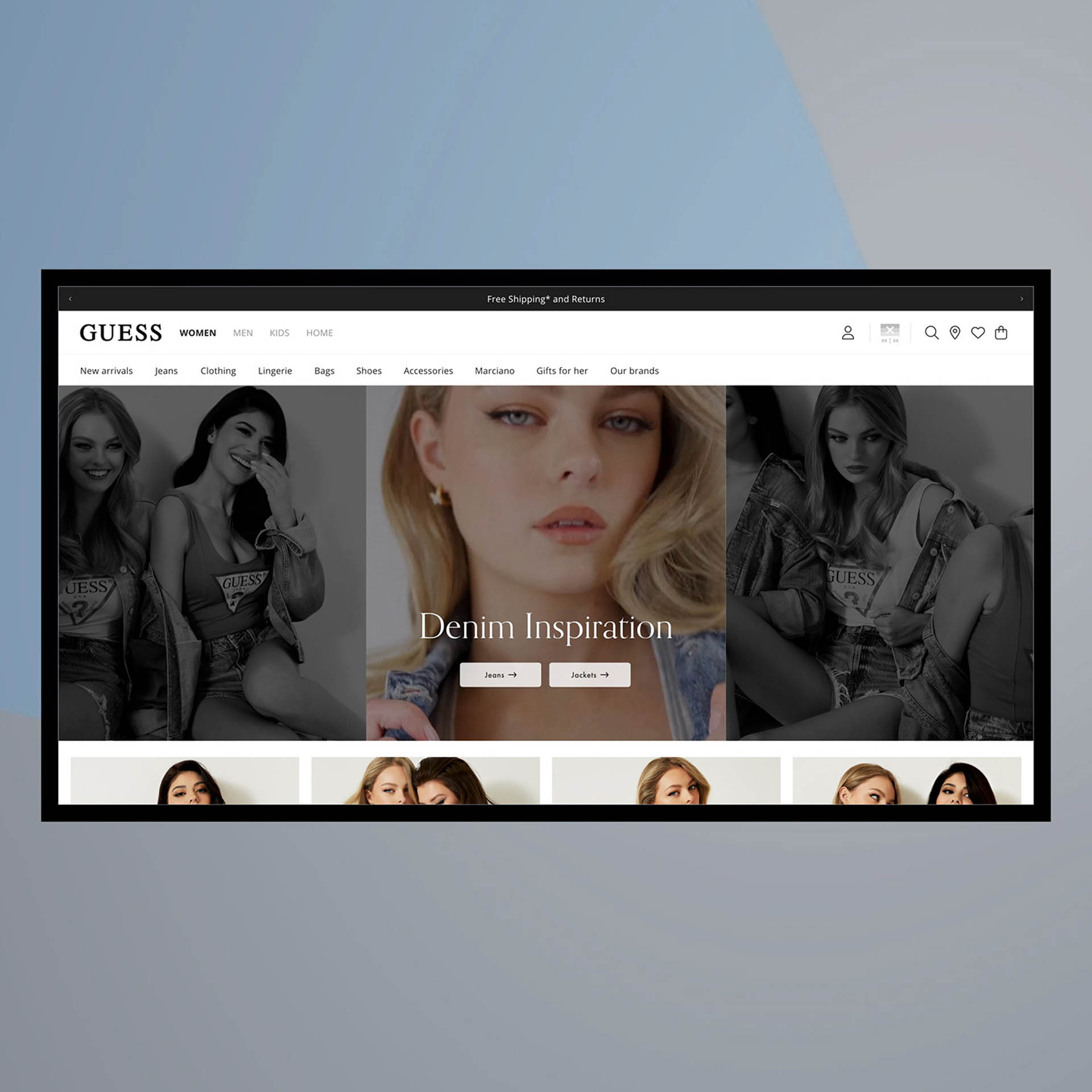
Users were not navigating to other brands and remained primarily on the Guess brand, often leaving the site to search on Google or use the site's search function instead of exploring other brand offerings.

Key issues identified:

  • Low brand visibility — other brands were not easily discoverable
  • Lack of dedicated landing pages — no specific entry points for women, men, and children
  • Poor navigation patterns — users struggled to find and access different brand sections
  • Inefficient user flow — users preferred external search over internal navigation
  • Missed cross-brand opportunities — potential for increased engagement across all brand properties

This behavior indicated a clear need for a redesigned navigation system that would improve brand discovery and create a more intuitive user experience.

Menu Redesign problem context

Research & Discovery

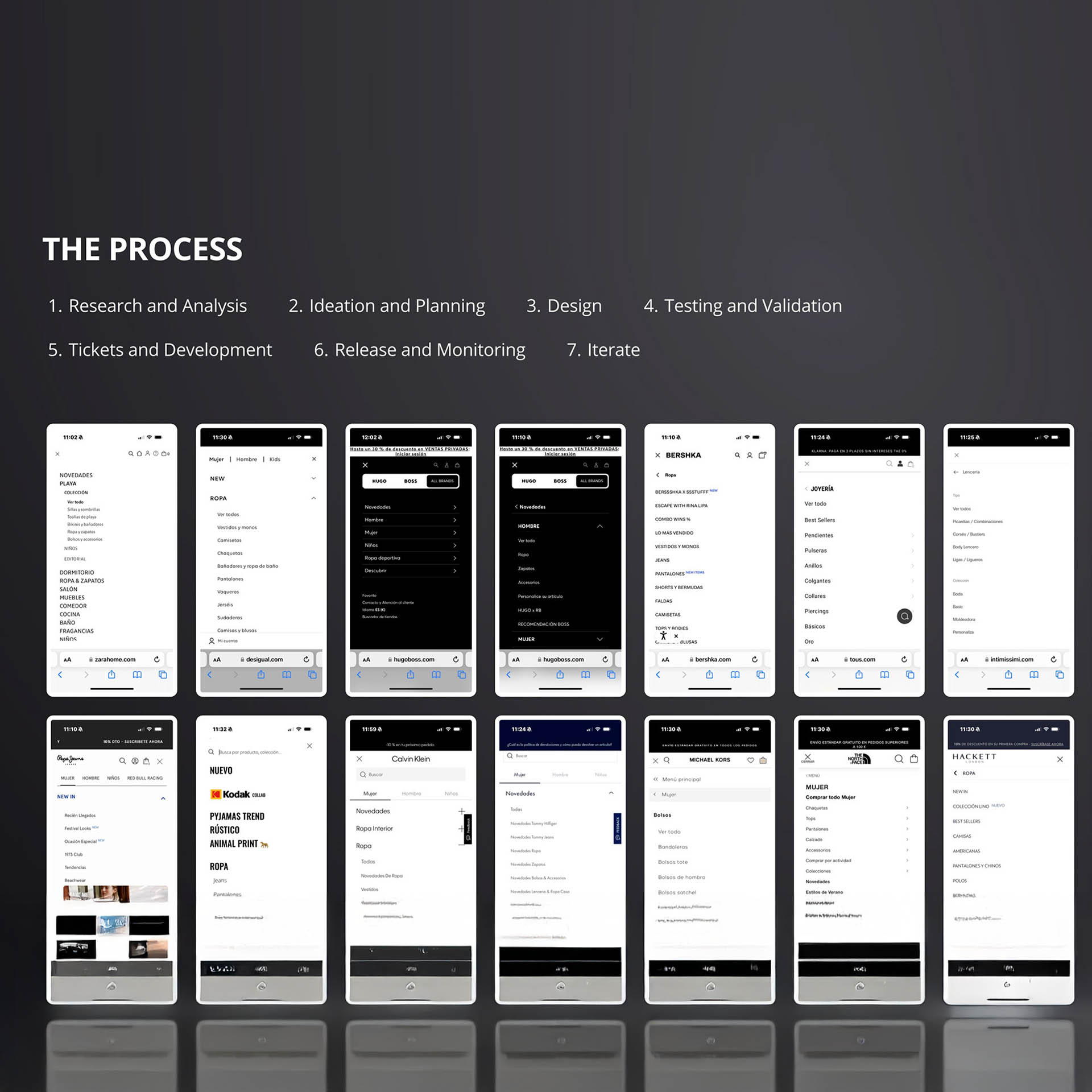
I conducted a comprehensive UX study analyzing over 30 competitors and studied best practices from Baymard Institute to understand effective navigation patterns and brand discovery strategies in e-commerce environments.

From this research, several key insights emerged that guided the solution:
Centralized brand placement — consolidating all brands in a single, prominent location improves discoverability
Cookie-based landing pages — implementing preference-based landing pages allows users to choose their preferred category (women, men, children) upfront
Mobile-first approach — restructuring the menu UX with a mobile-first mindset ensures optimal experience across all devices
Data-driven prioritization — analyzing menu data to identify most-clicked and highest-performing categories helps optimize navigation structure

These insights informed the UX strategy: create a centralized brand hub, implement intelligent preference-based routing, and restructure the menu using a mobile-first approach that prioritizes the most valuable categories based on actual user behavior data.

UX & UI Design

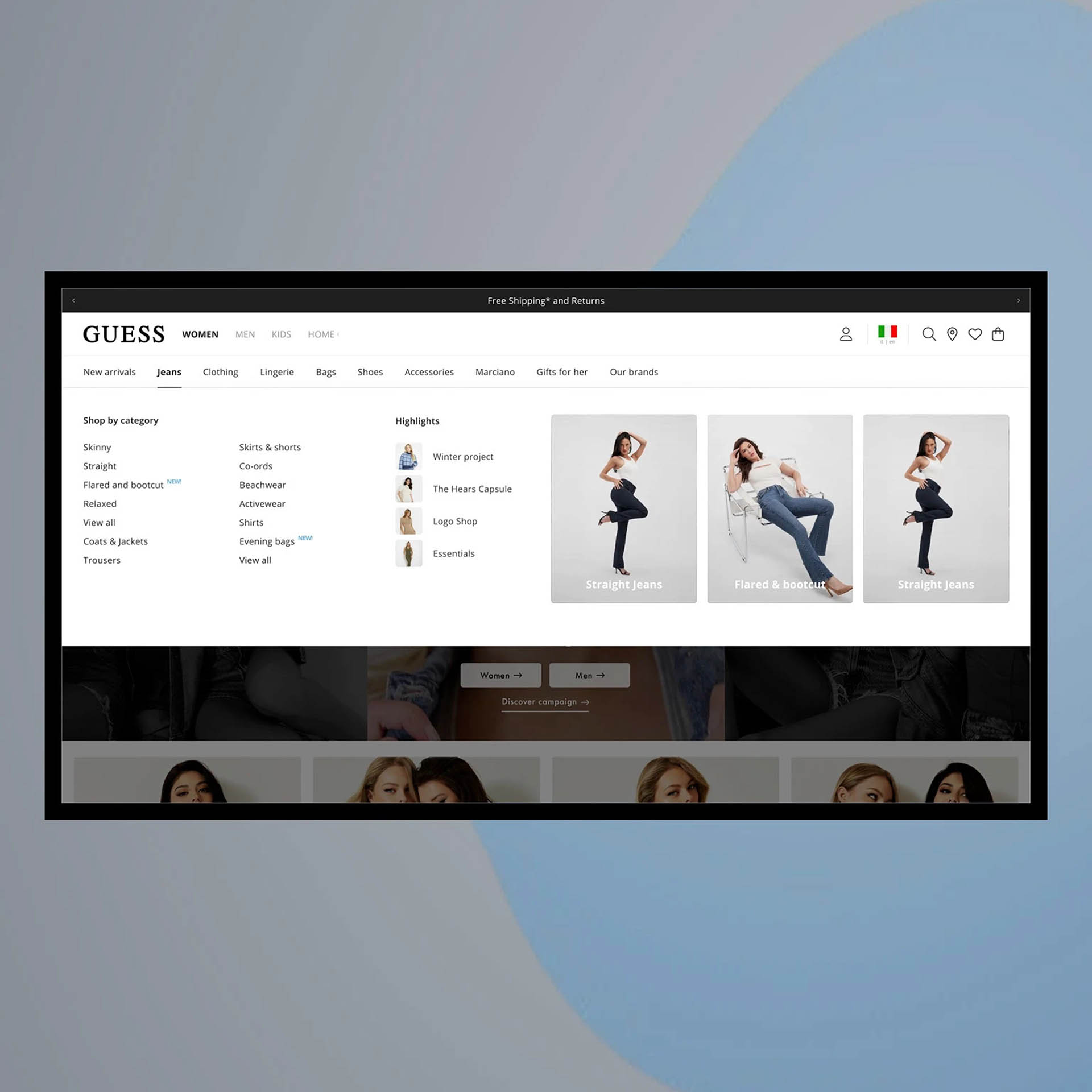
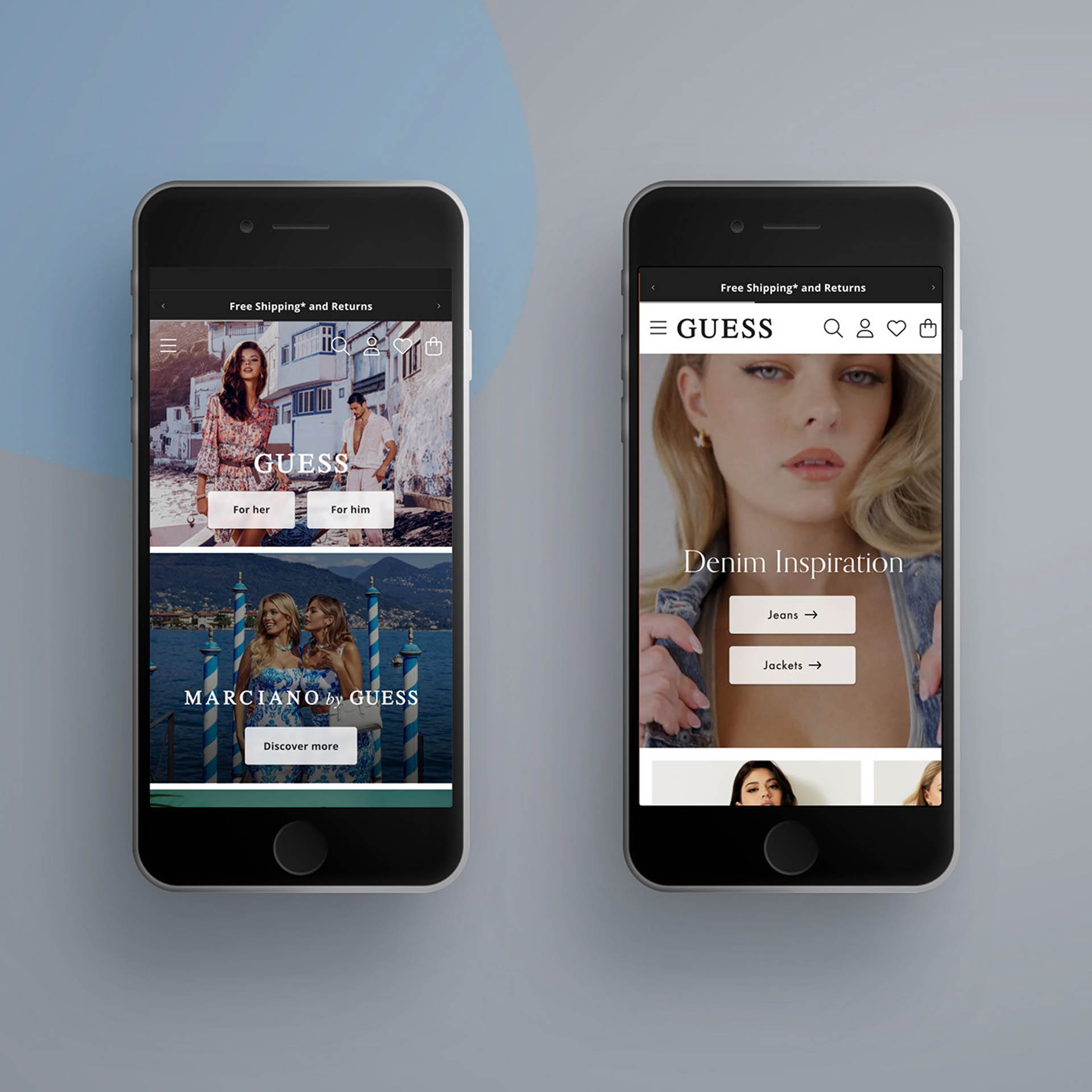
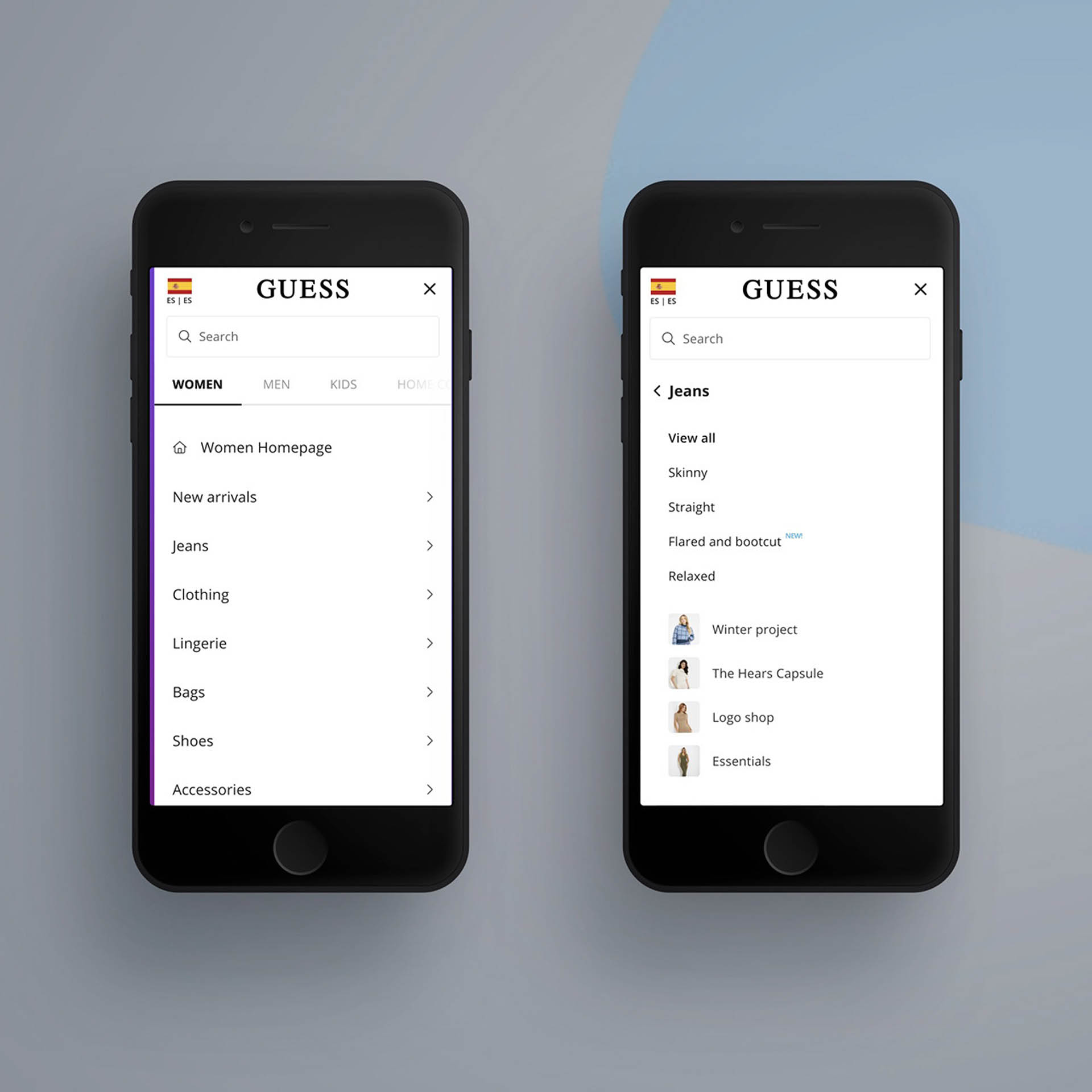
Together with my team, I redesigned the entire menu experience, focusing on clear visual hierarchy, intuitive brand discovery, and streamlined navigation patterns that work seamlessly across all devices.

The design prioritized mobile-first principles, ensuring that the most important categories and brands are immediately accessible on smaller screens. I implemented a centralized brand hub that makes all brands visible and easily navigable, while creating dedicated landing pages for women, men, and children that provide clear entry points based on user preferences.

Special attention was given to data-driven category prioritization, using analytics to surface the most-clicked and highest-performing categories prominently. The interface design emphasizes clarity, accessibility, and brand visibility to reduce friction and encourage cross-brand exploration.

This approach resulted in a modern, user-centric navigation experience that significantly improved brand discovery and user engagement.

Development & Go Live

I served as Project Manager working closely with the development team, ensuring that all design decisions were properly implemented and that the technical solution aligned with the UX vision.

Throughout the development process, I collaborated with the QA team to test the new navigation system, ensuring functionality across all devices and browsers. I also monitored and analyzed results before and after the launch, tracking key metrics such as brand navigation rates, user engagement, and conversion improvements.

This collaborative approach ensured that the redesigned menu was not only visually appealing but also functionally robust, delivering measurable improvements in user behavior and brand discovery.

A/B Testing & Optimization

I conducted multiple A/B tests to determine the most effective way to showcase brands and improve brand visibility across the platform.

Brand Display Format Tests
Tested different formats for brand presentation: carousel with images, textual format, and logo format to identify which approach resonated best with users and drove the highest engagement rates.

Placement Optimization
Experimented with various placements for brand displays throughout the navigation and landing pages, analyzing how different positions affected user behavior, click-through rates, and brand discovery metrics.

All test data and insights collected during this phase provided valuable information that informed data-driven decisions for the redesign planned for 2026, ensuring continuous improvement based on real user behavior and preferences.