DRIPT: Virtual Try-On at a Quarter the Cost
Problem
I was testing external vendors for a virtual try-on system. The results weren't good enough: products didn't look real, and the user's uploaded photo wasn't reprocessed—the garment was simply pasted on top. And the bill? The AI model, plus the vendor's margin on every single run. Same stack, inflated price.
Solution
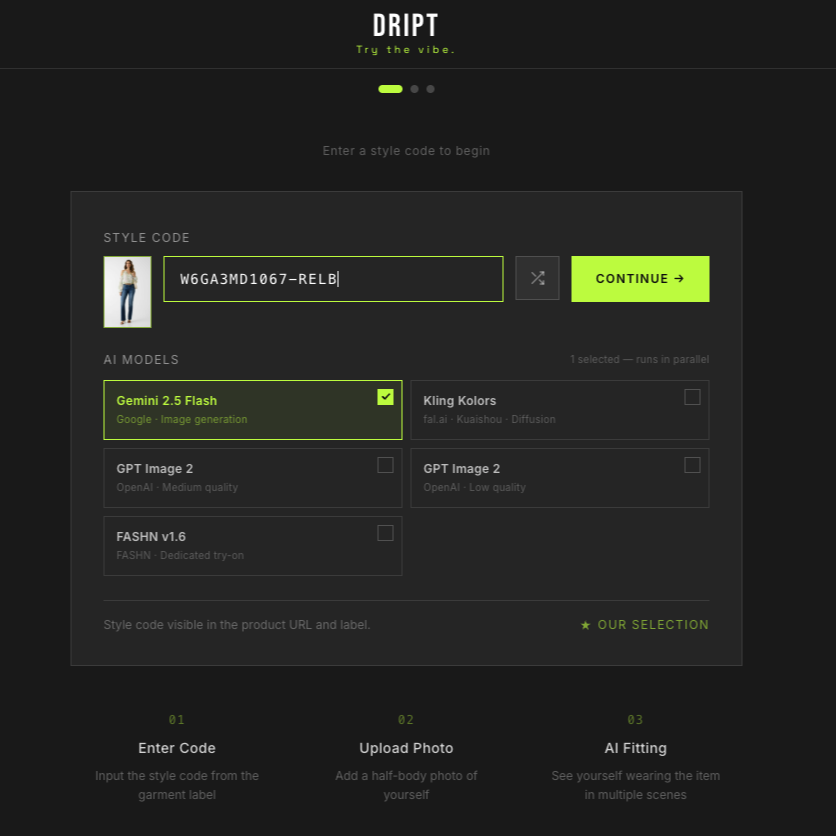
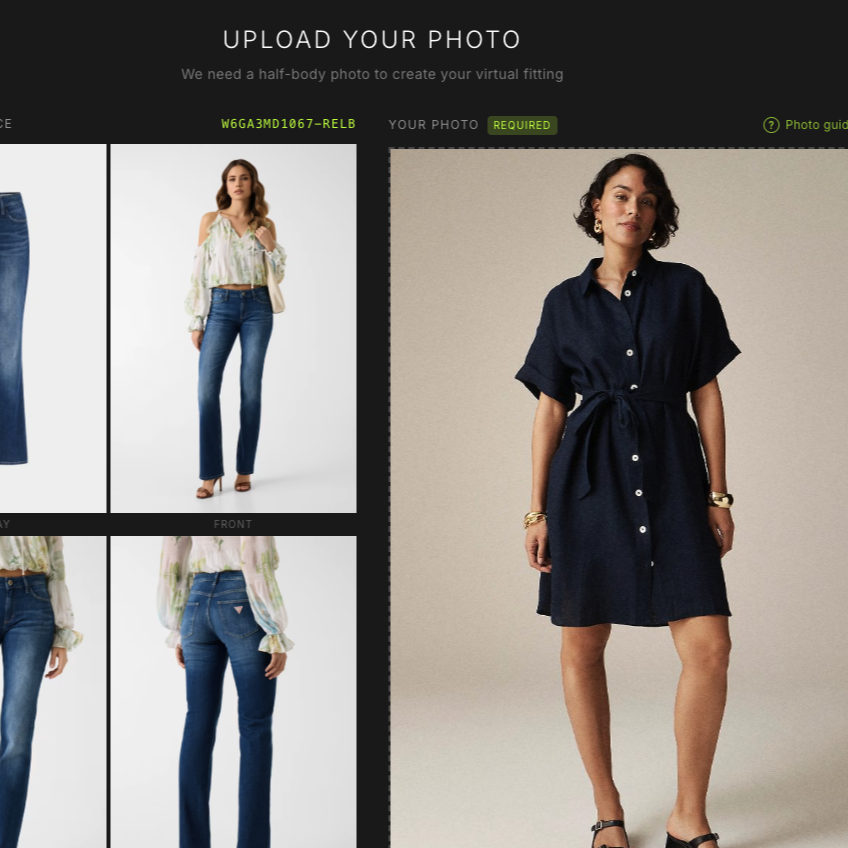
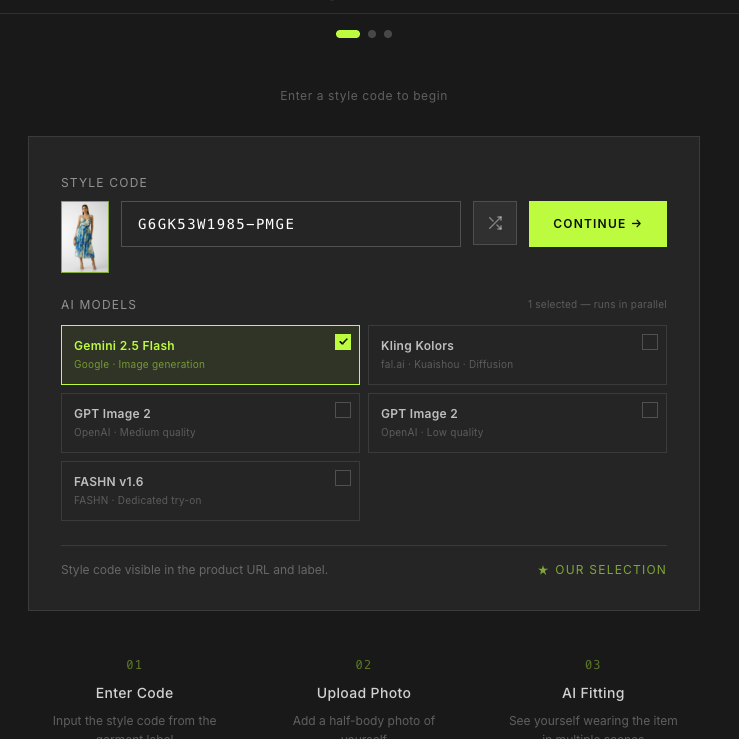
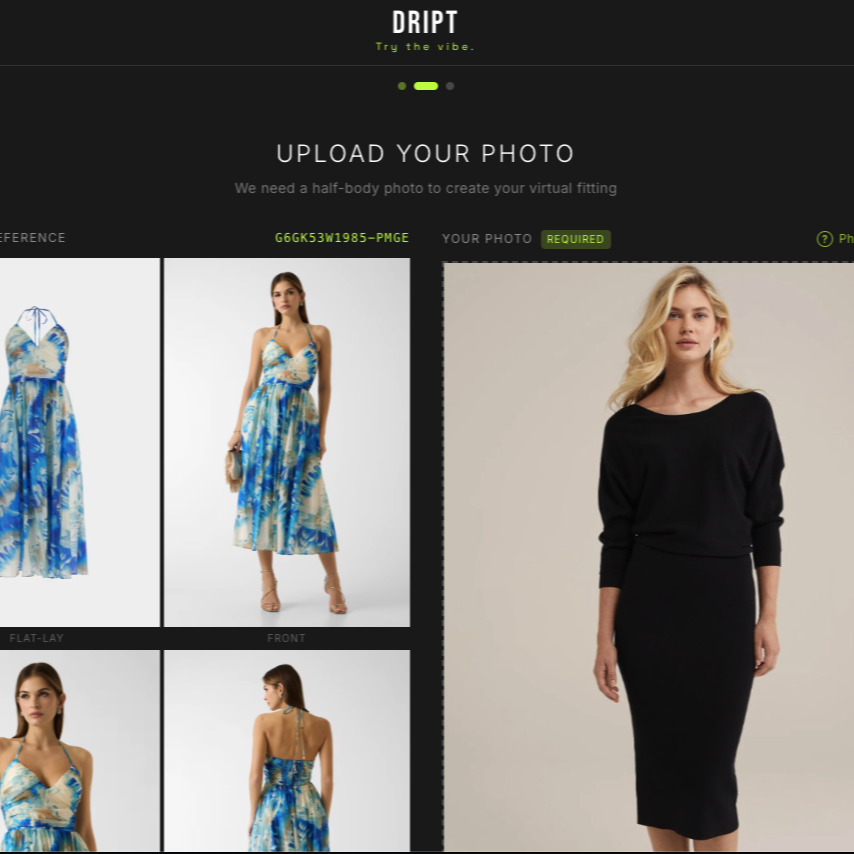
I started thinking a virtual try-on app isn't that complicated to build. It comes down to the AI model, the prompt, how product photos are presented, and how fast you can generate. So I built a POC and tested several models—generic ones and others specialized for virtual try-on. I iterated on the prompt until the user's photo and the product were accurate, end to end.
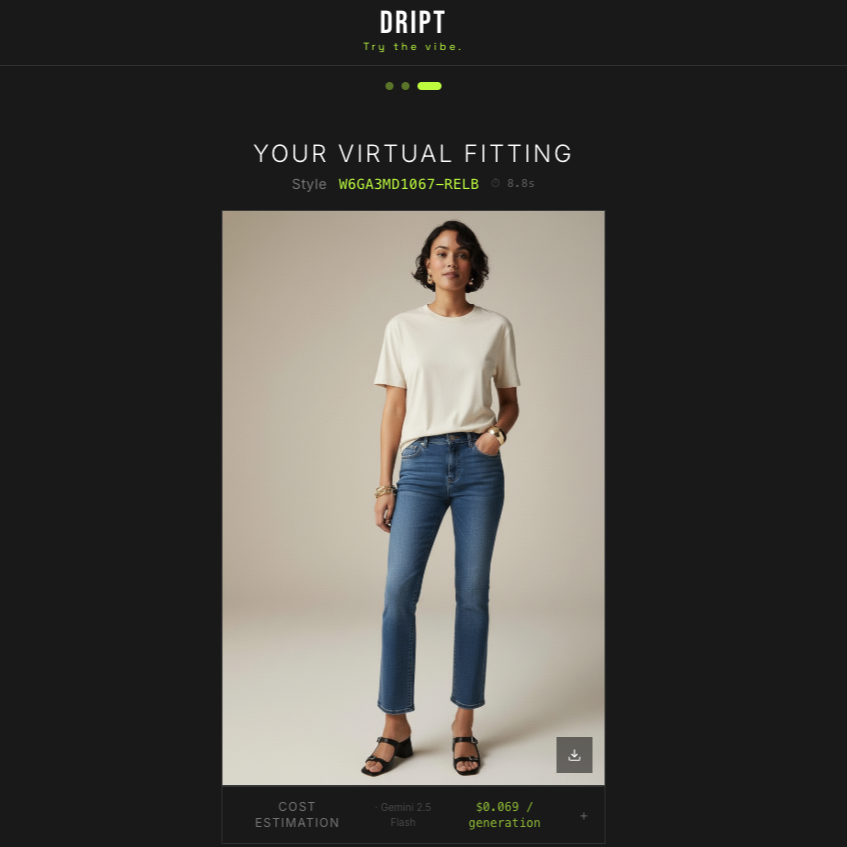
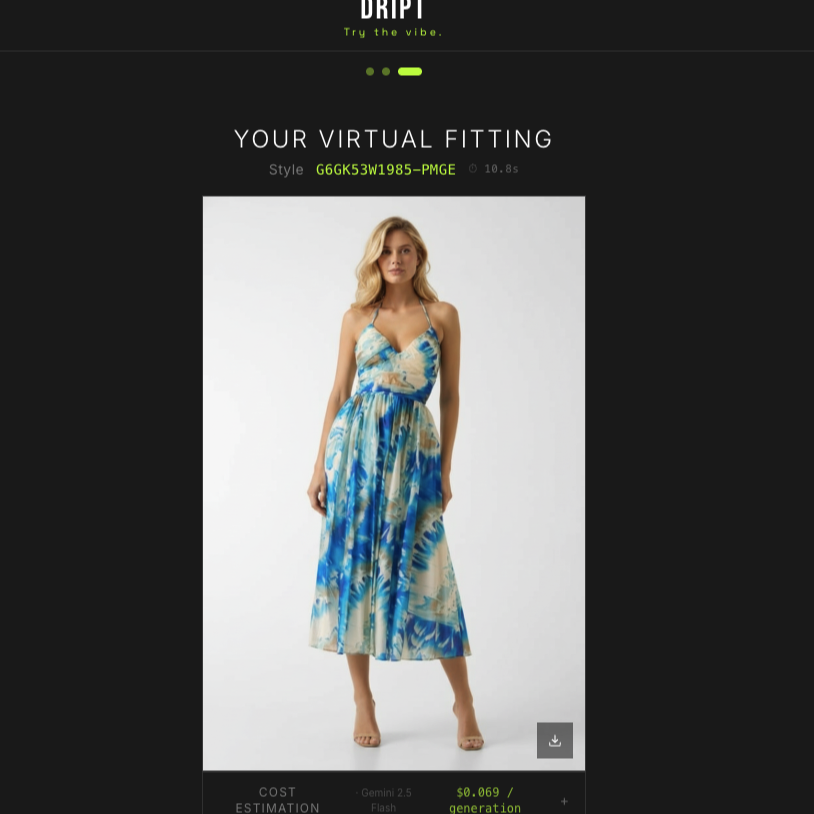
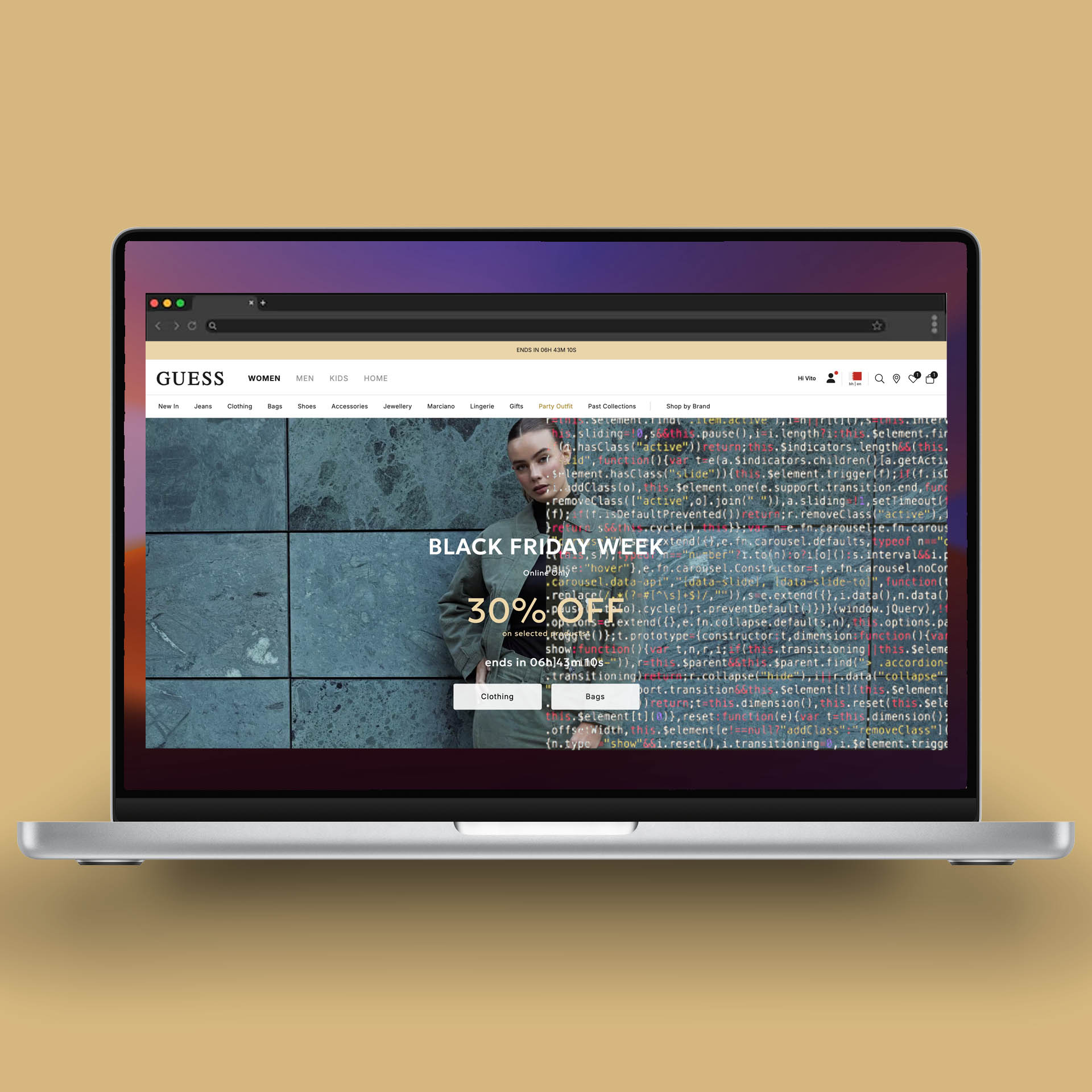
I landed at 6–8 seconds per generation, with products rendered convincingly. Then I built the embeddable script so brands can drop it on their site—and DRIPT was born. No reseller in the middle: you pay only the model's inference cost, at provider rates—not list price plus platform fees. The carousel shows some of the first results.
If there's one lever that makes the difference between a decent output and a great one, it's always the prompt you send to the AI. Everything else matters—but that part is non-negotiable.
Outcome
A virtual try-on you integrate with a script import—realistic output, no pasted-on garments. In practice, roughly one-fourth of what we were quoted by external vendors, because the economics are transparent: model cost only, no markup layer. Fast enough for product pages, with quality driven by model choice and prompt engineering. Better try-on, better unit economics.