Optimization & Processes


Project #1

Claude + Figma + Jira

Problem

At the end of a sprint, mockups were ready but the slowest part was still ahead: manually translating design work into Jira. Stories, tasks, subtasks, acceptance criteria, and developer notes created repetitive work that added no value to the product.

Solution

I connected Figma, Claude, and Jira into a single workflow. Claude reads mockups and comments directly from Figma through MCP, analyzes structure, components, states, and interactions, then generates Epics, Stories, Tasks, and Subtasks organized by development logic.

Outcome

The first run created 23 Jira tickets in 4 minutes, with descriptions and acceptance criteria already written. No copy-paste, fewer interpretation gaps, and fewer meetings to explain what a comment in the mockup meant.
Project #2

Contentsquare + Claude AI Workflow · DX Awards 2026

Problem

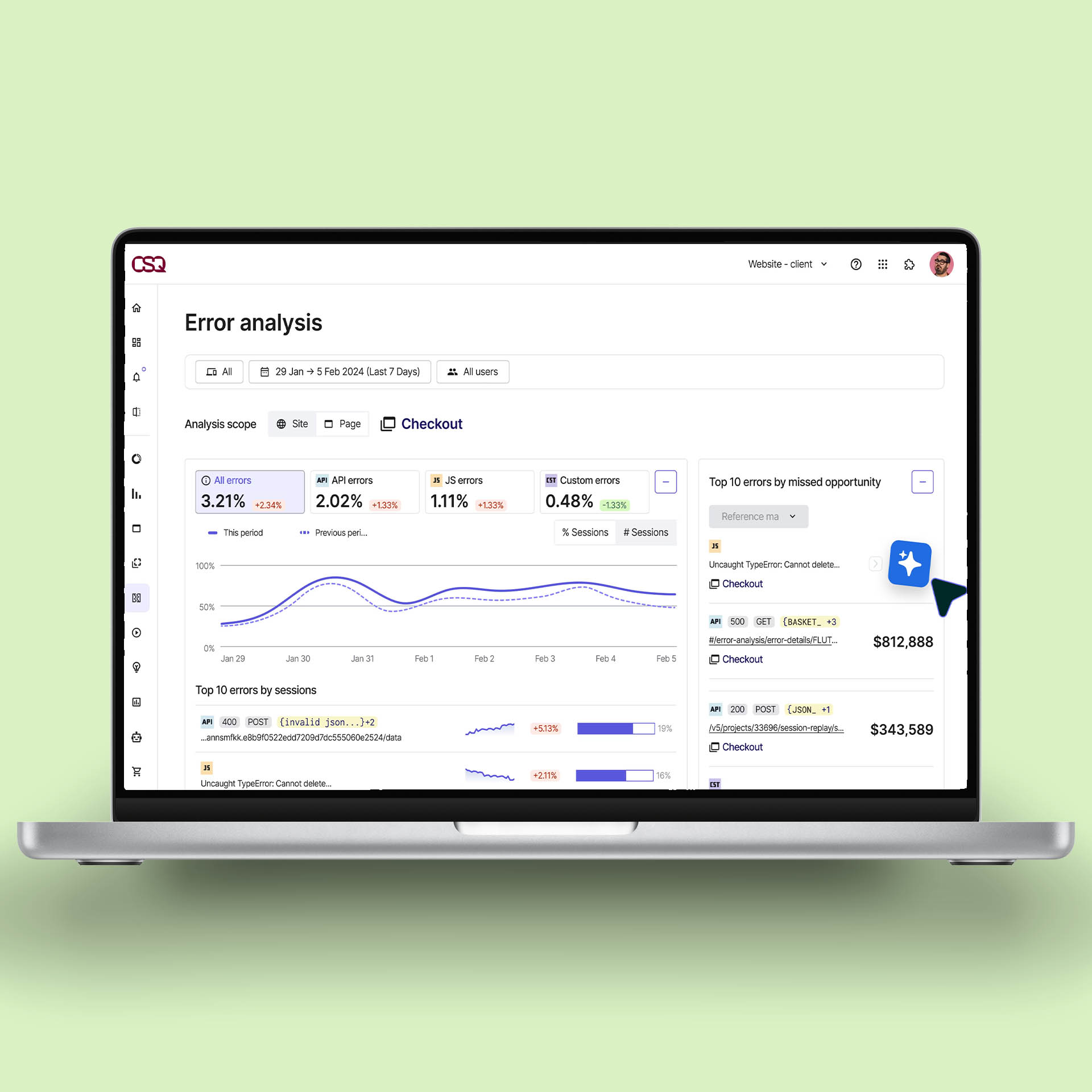
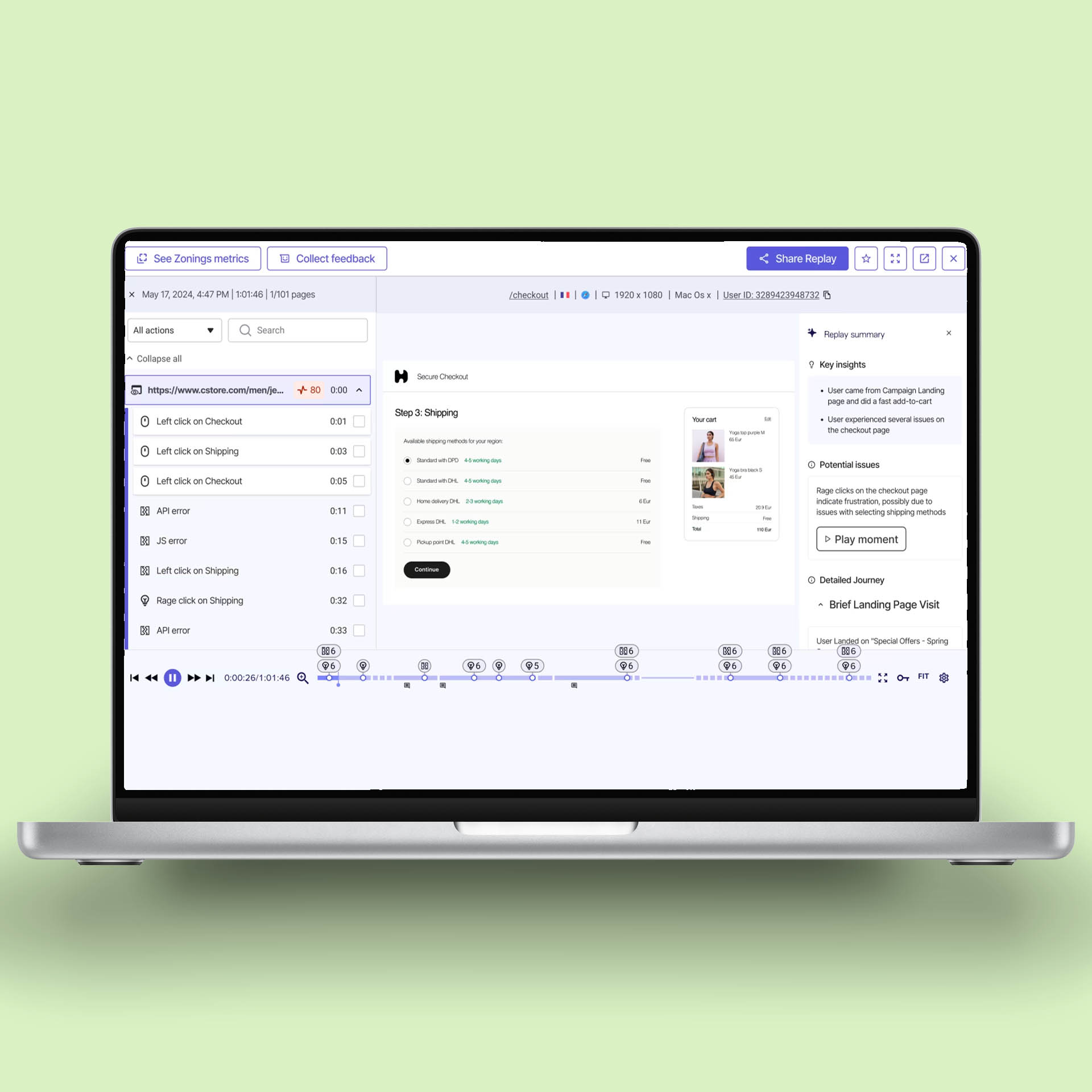
When a KPI dropped, the team had to manually navigate Contentsquare dashboards, session recordings, heatmaps, funnel views, frustration signals, and error logs before writing findings and creating Jira tickets. Every investigation took hours, which meant only the most critical signals could be explored while revenue-impacting friction often stayed hidden too long.

Solution

I connected Claude to Contentsquare through the official MCP server, turning complex digital experience analysis into a natural-language workflow. The team can now ask questions about checkout drop-offs, rage clicks, technical errors, frustration scores, or week-over-week funnel changes and receive prioritized insights with relevant session links. I also configured agentic workflows for daily reports, KPI monitoring, real-time alerts, root-cause diagnosis, and Jira ticket creation.

Outcome

Diagnosis time moved from 2-4 hours to under 5 minutes, accelerating optimization cycles and helping the team shift from reactive firefighting to proactive, data-driven decision-making. The workflow creates a direct path from anomaly detection to prioritized engineering action, making behavioral data continuously accessible and operationally useful.

Open the full presentation

Project #3

E-commerce Content Delivery

Problem

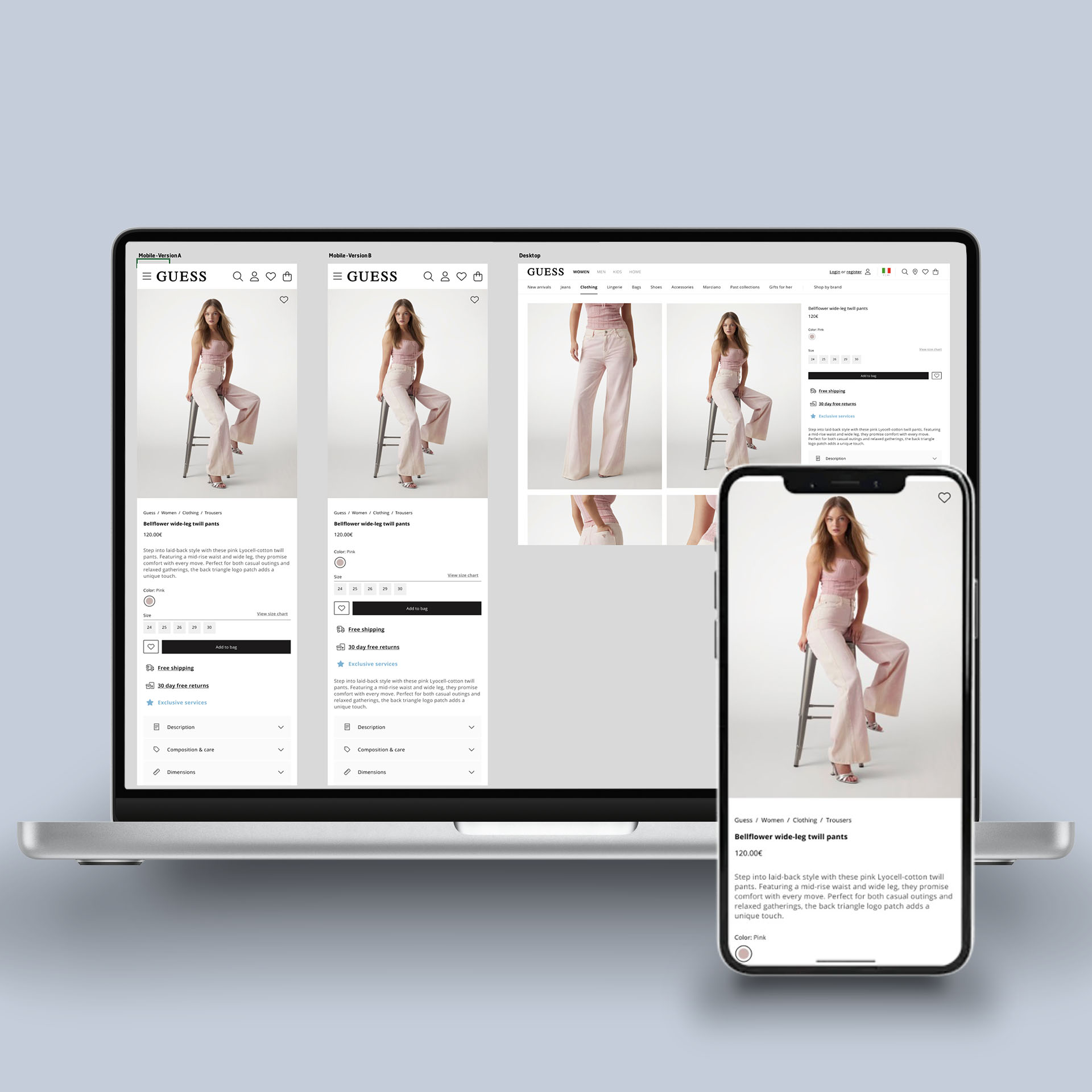
Creating editorial content for the GUESS website required significant coordination between design, development, and content teams. The production cycle was slow and operationally heavy, causing delays in publishing homepages and landing pages.

Solution

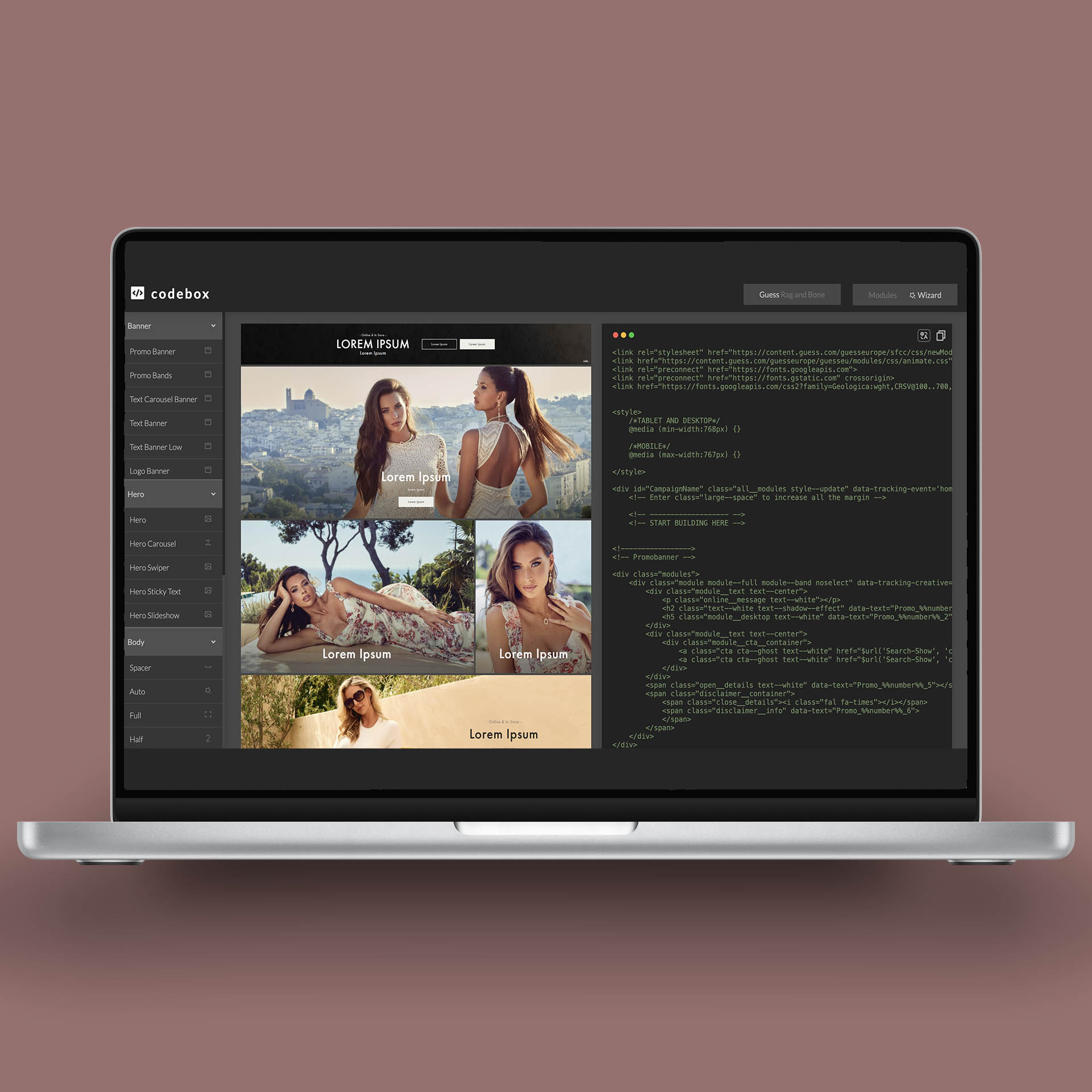
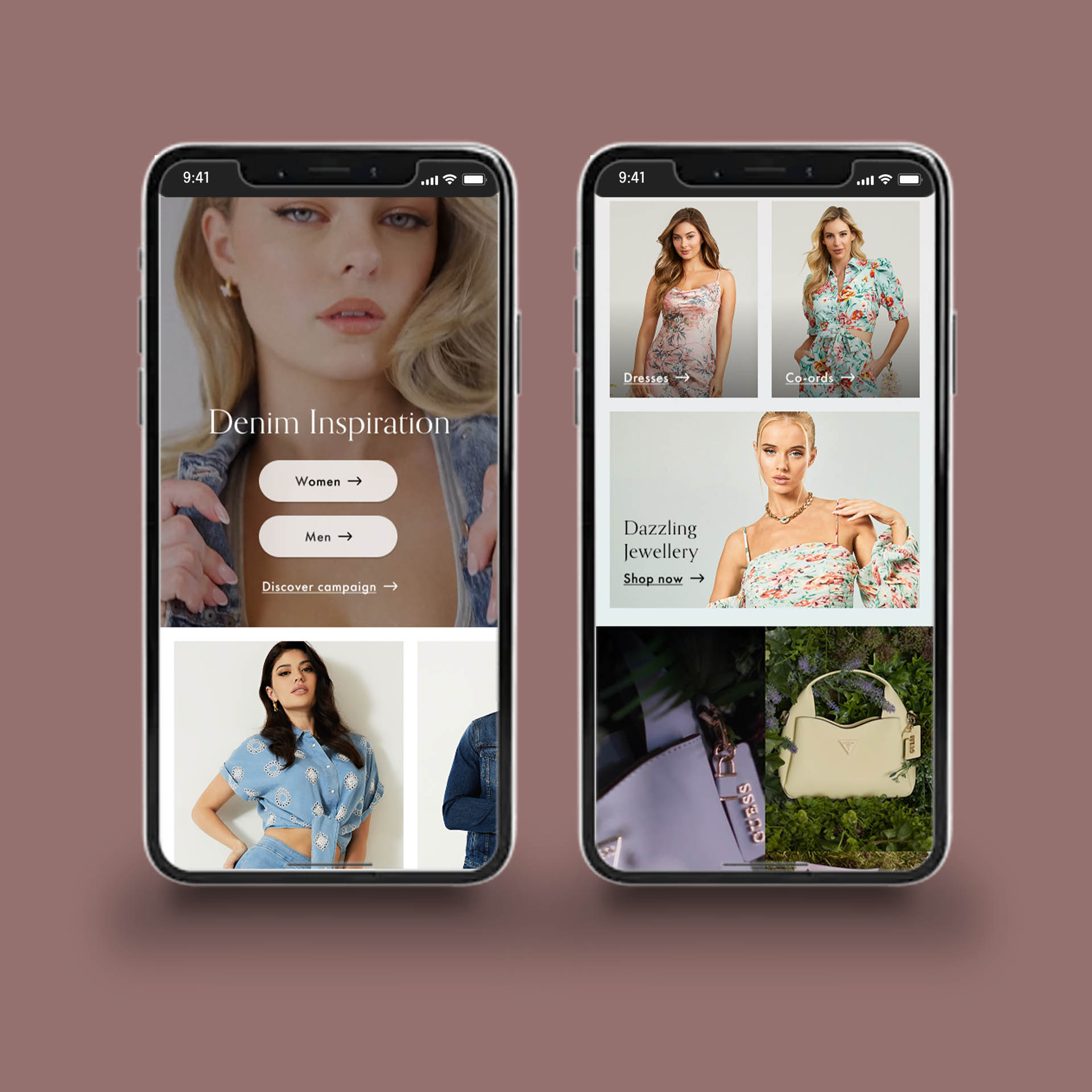
I built a streamlined workflow that empowered teams to work independently while reducing manual development. Designers created modules in Figma; I converted them into React components via code export, enhanced them with variables for currency, country, language, and other conditions, and compiled them for full browser and device compatibility. These modules were then added to an internal generator containing 30+ components with multiple variant options.

Outcome

The Content Delivery team could publish pages in minutes by inserting only copy, links, and images. The workflow significantly increased speed, reduced dependencies on development, and improved the consistency of GUESS digital storytelling across regions.

Project #4

A/B Test Iterative Improvement

Problem

The e-commerce team lacked a structured, cross-department workflow for testing ideas. Hypotheses, test executions, and results were scattered across tools and teams, making decision-making slow and often subjective.

Solution

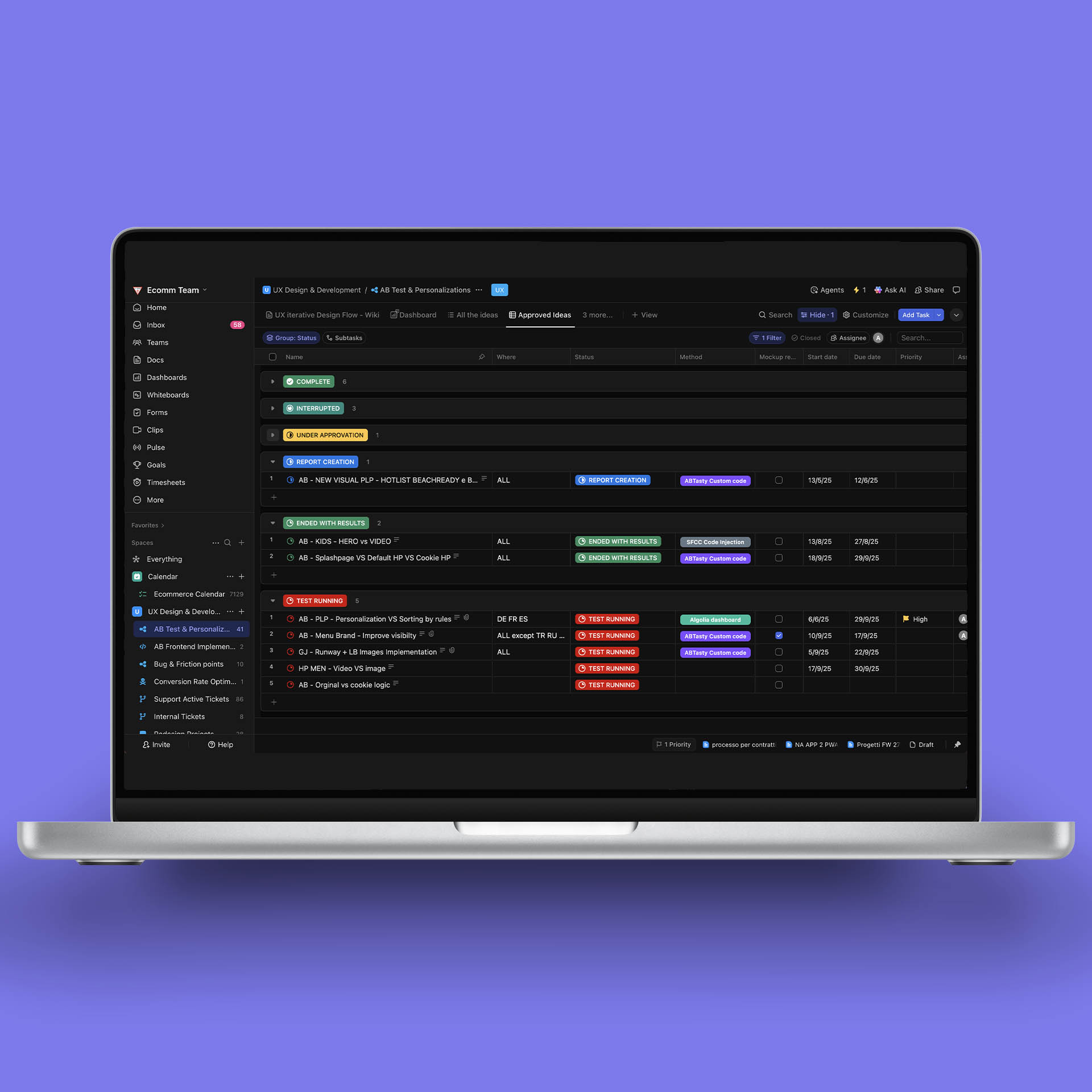
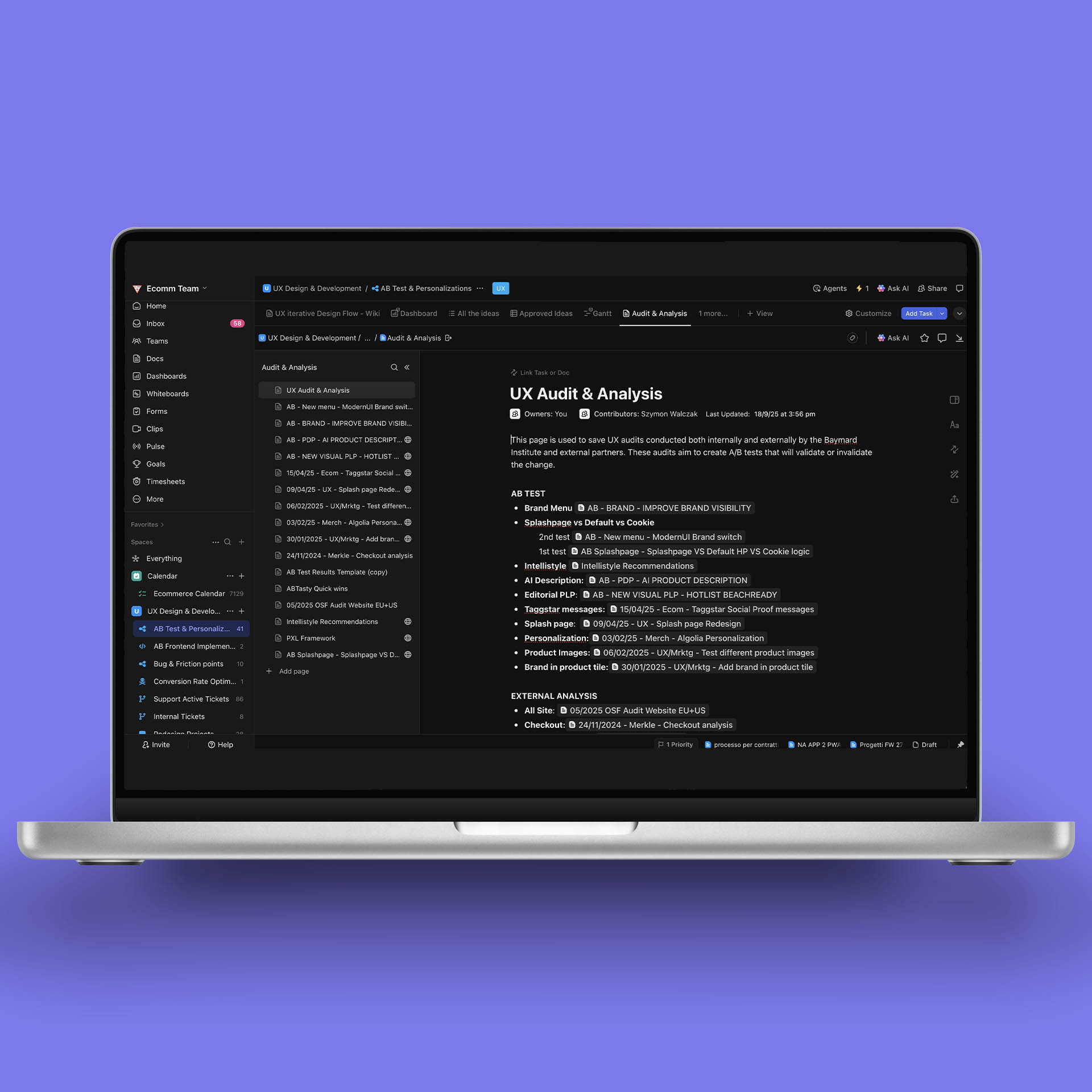
I created a unified A/B testing workflow involving all GUESS e-commerce teams. Using a ClickUp board, I structured the entire process: idea generation, qualification, approval, active tests, and documentation of results. I introduced the PXL scoring framework to objectively evaluate impact, confidence, and effort based on standardized questions, ensuring data-driven prioritization.

Outcome

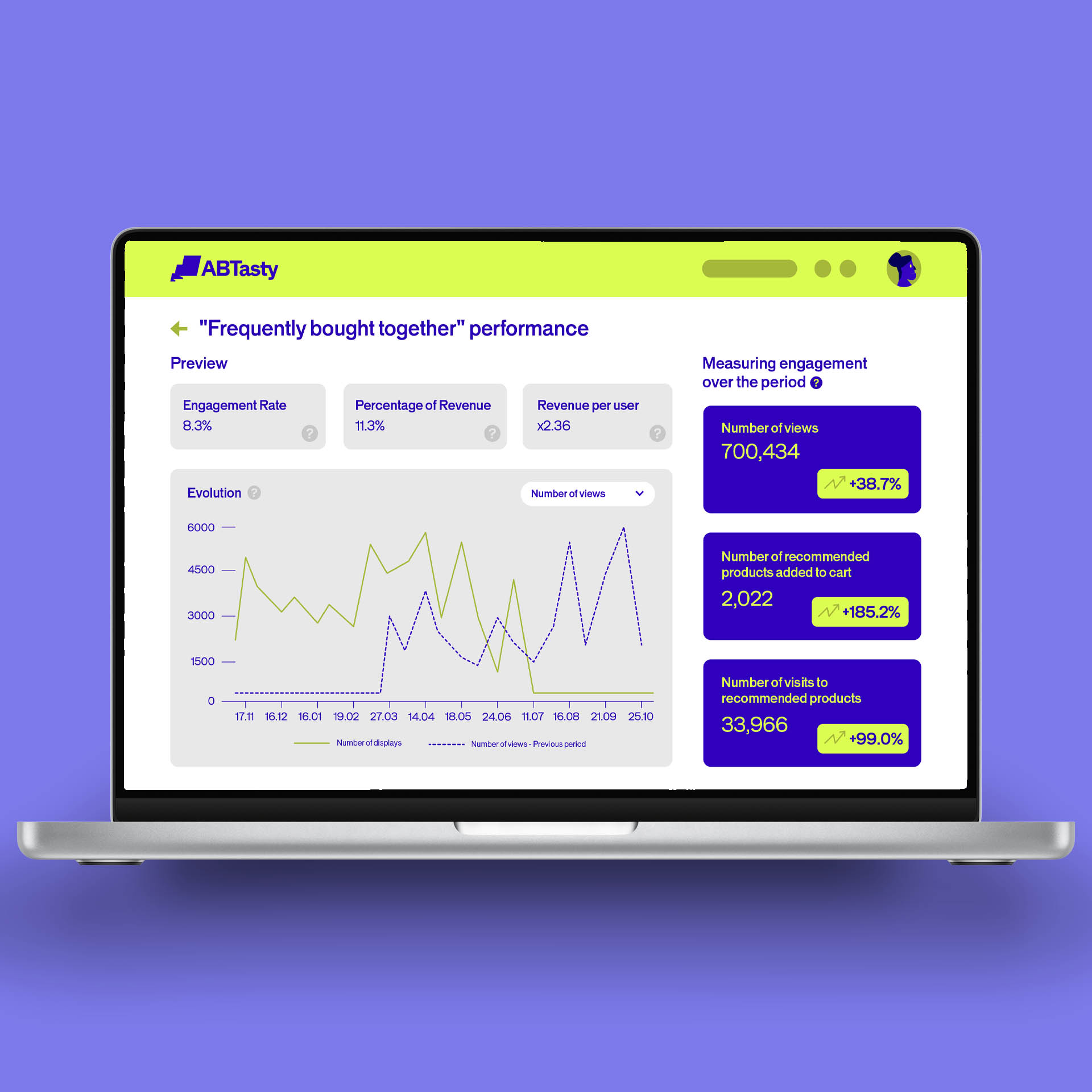
The new workflow enabled continuous experimentation, improved alignment between teams, and accelerated validation cycles. Decisions became clearer, more measurable, and grounded in data. The process now moves seamlessly from hypothesis to development, QA, and go-live.

Project #5

CRO Iterative Improvement

Problem

Friction points and bugs across the user journey were causing drop-offs and slowdowns, but the process to detect, prioritize, and fix them was fragmented. Insights from analytics tools often remained unused or isolated.

Solution

I developed a multi-team workflow leveraging Contentsquare to identify UX friction, usability issues, and technical bugs. Findings were centralized in a dedicated ClickUp dashboard. From there, issues followed two parallel paths: UX/design improvements or bug-fixing/development. After release, results were monitored to evaluate the actual economic impact.

Outcome

The workflow provided a continuous, data-driven optimization loop, improved issue visibility, and significantly reduced time-to-fix. The team now understands which improvements deliver real revenue impact and can prioritize efforts accordingly.

Project #6

AI Product Description & Translation

Problem

Creating emotional, high-quality product descriptions for 45+ countries and 15 languages required significant manual effort. The workflow was slow, inconsistent, and highly dependent on individual copywriters. Translating large batches of text also created bottlenecks across teams.

Solution

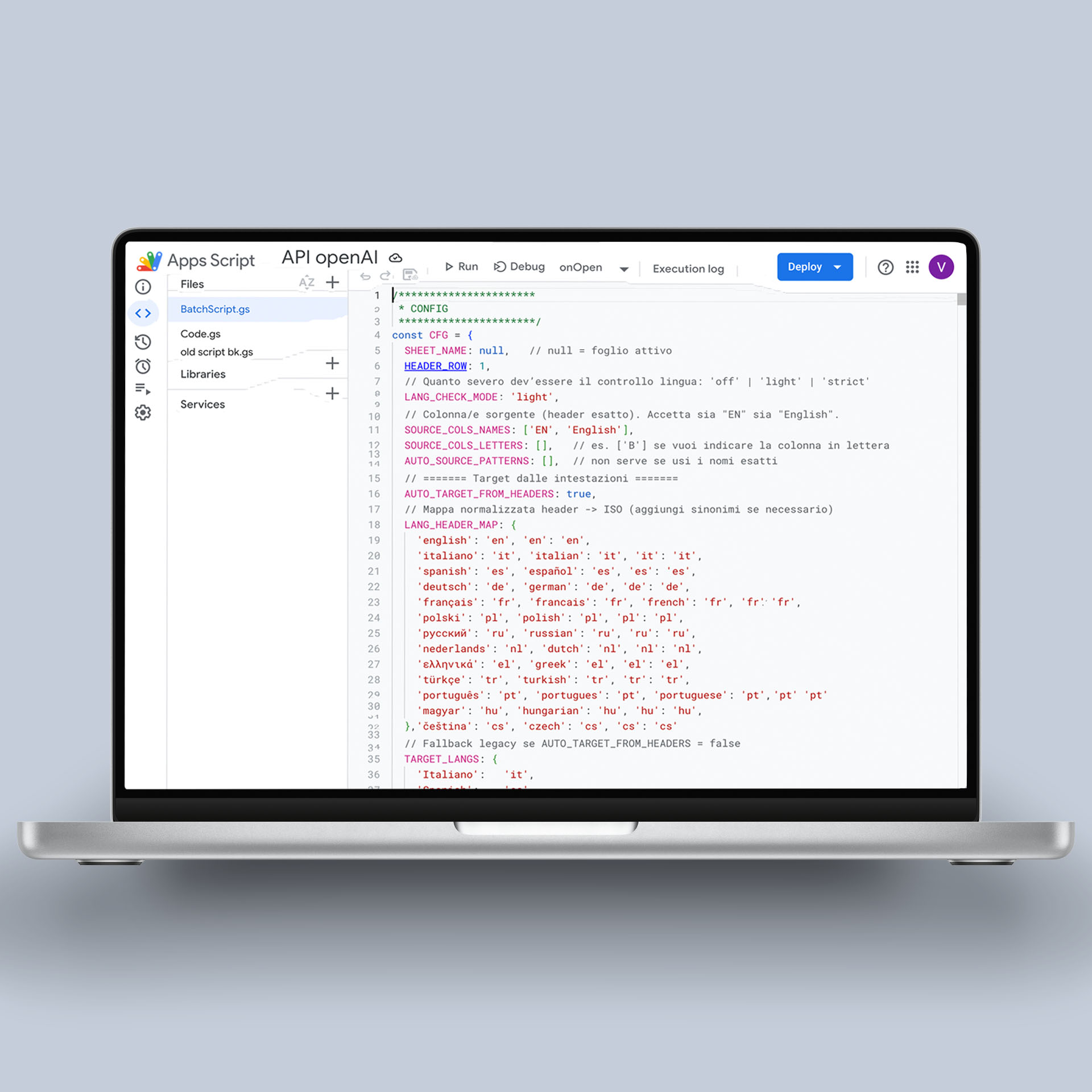
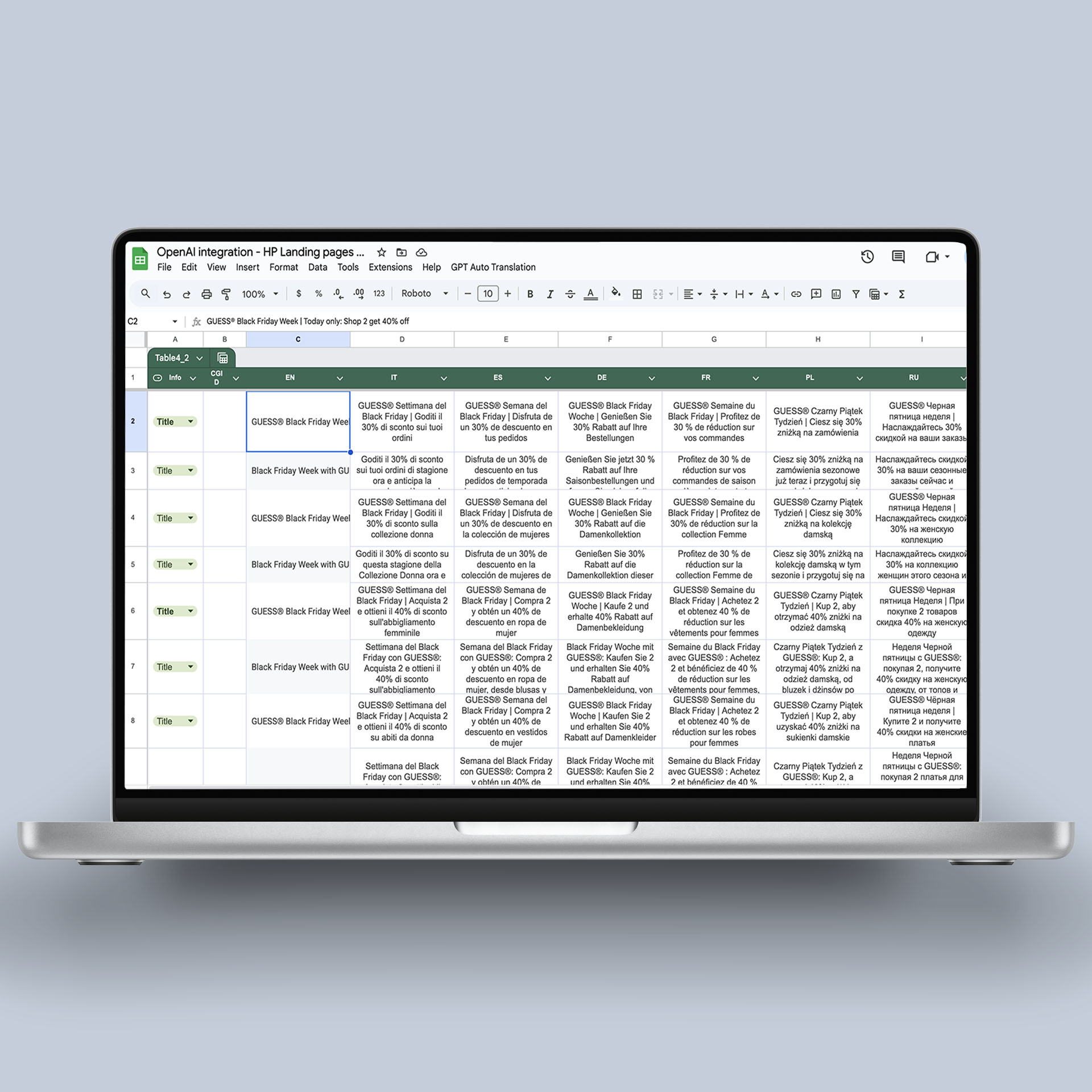
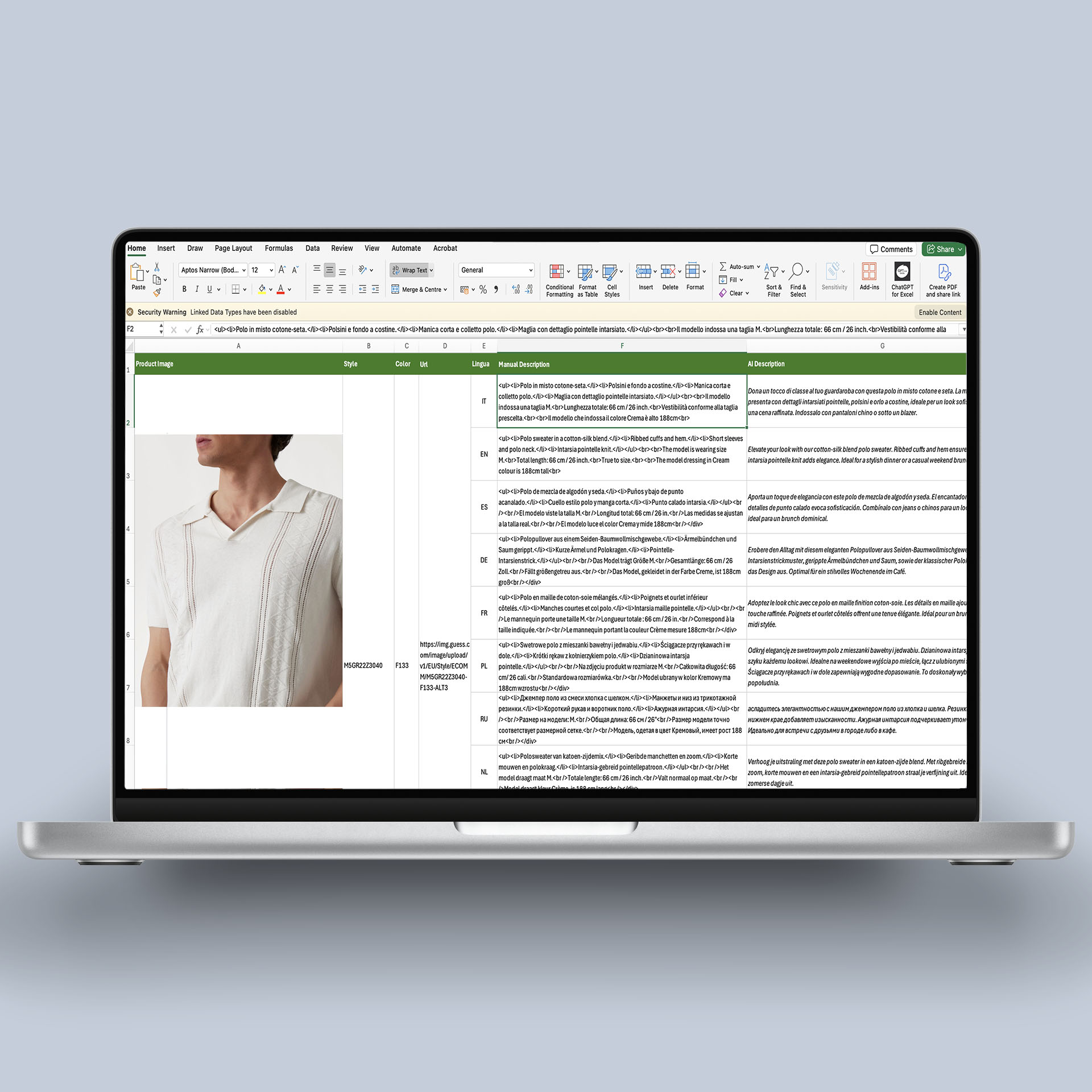
I designed and developed an internal app integrated with OpenAI capable of generating SEO-driven, emotionally engaging product descriptions using a product image and attributes. To streamline translations, I also built a Google Sheet batch script that automatically translates selected cell ranges using OpenAI, enabling instant multilingual output.

Outcome

The process reduced content production time from hours to minutes, increased consistency across markets, and enabled the team to scale global product content with minimal operational effort. Quality and emotional tone improved while drastically reducing manual workload.

Project #7

Marketing Cloud Content Delivery

Problem

Salesforce Marketing Cloud’s email builder was too limited and slow for managing campaigns across 45+ countries and 15 languages. Creating and adapting templates required extensive manual work, slowing down the entire marketing pipeline.

Solution

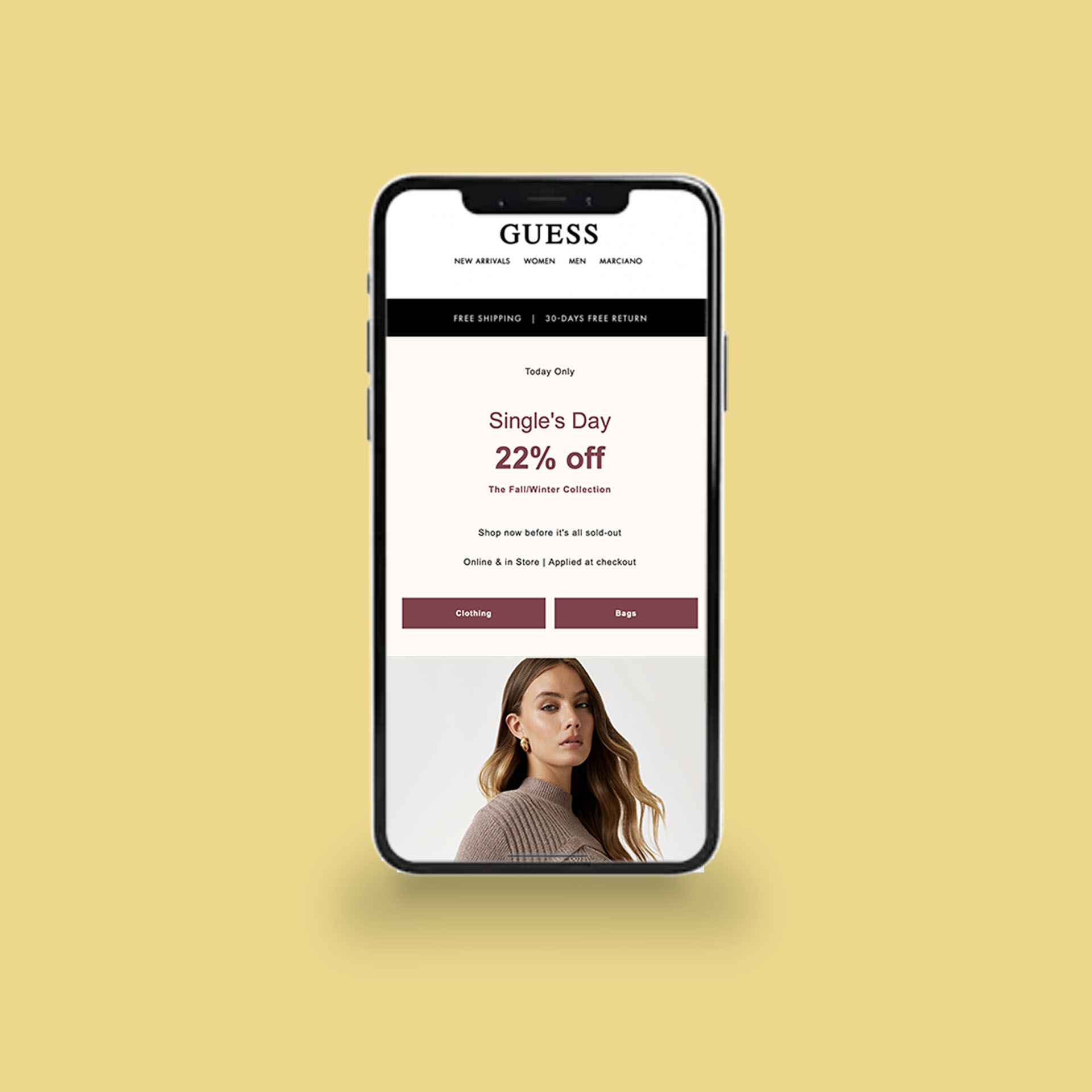
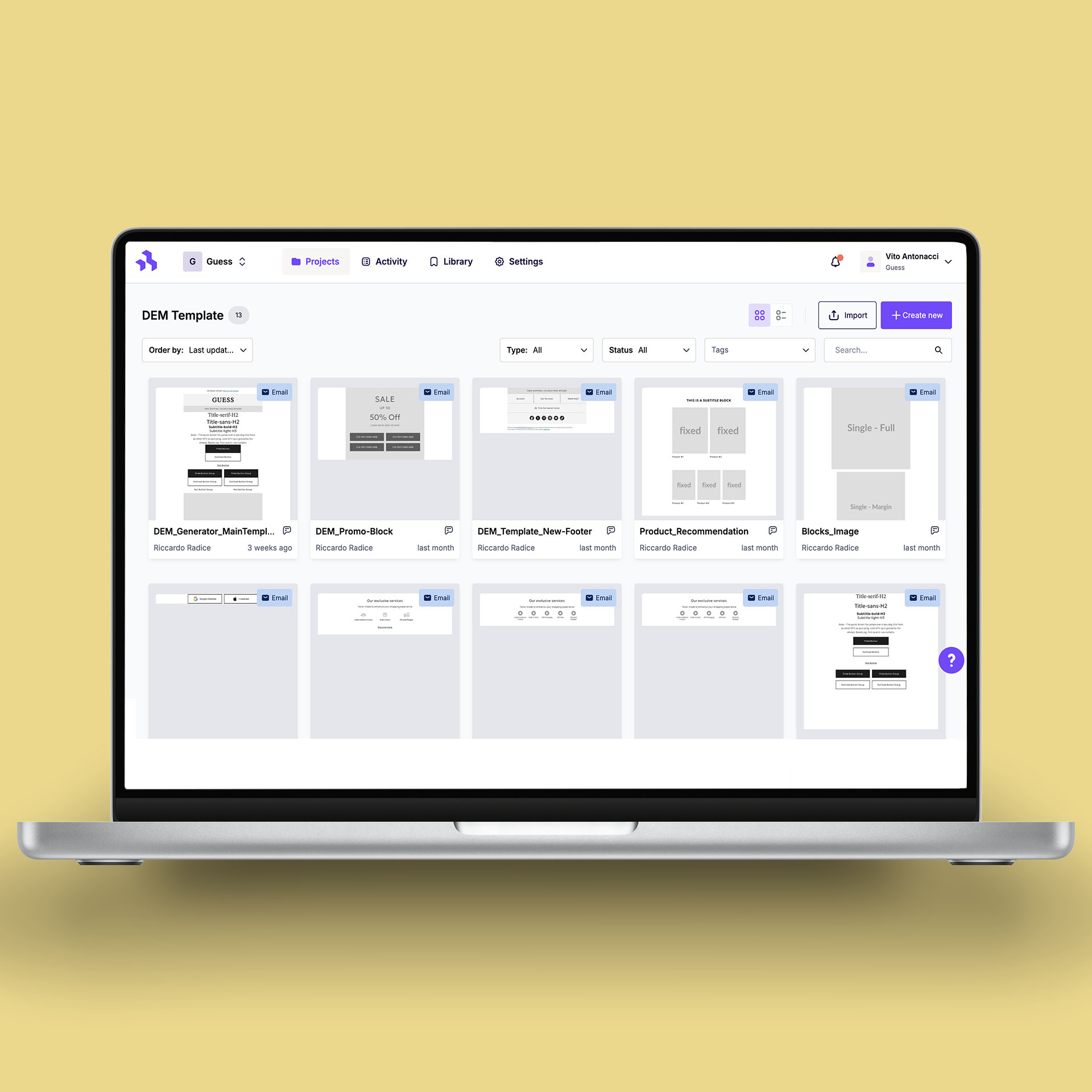
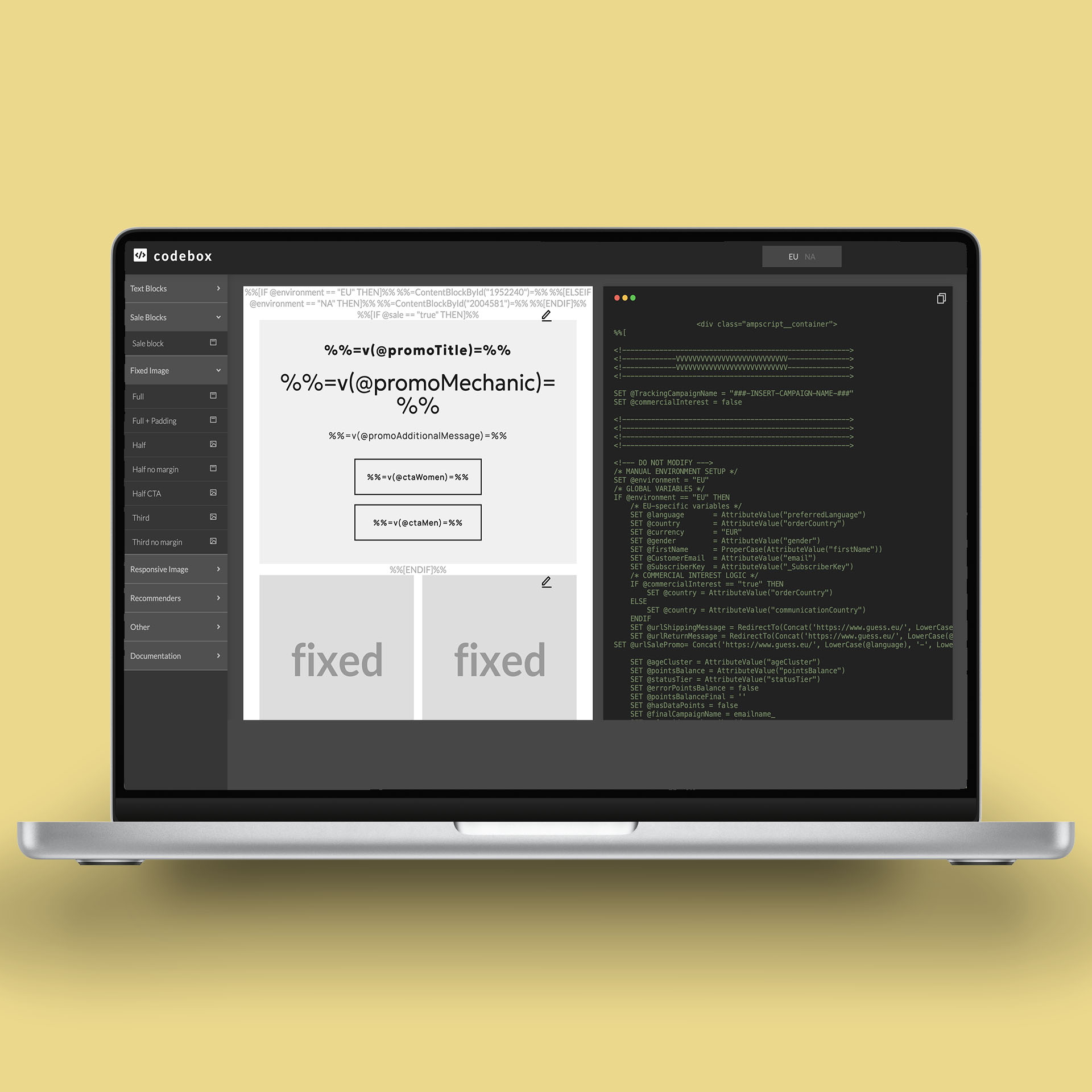
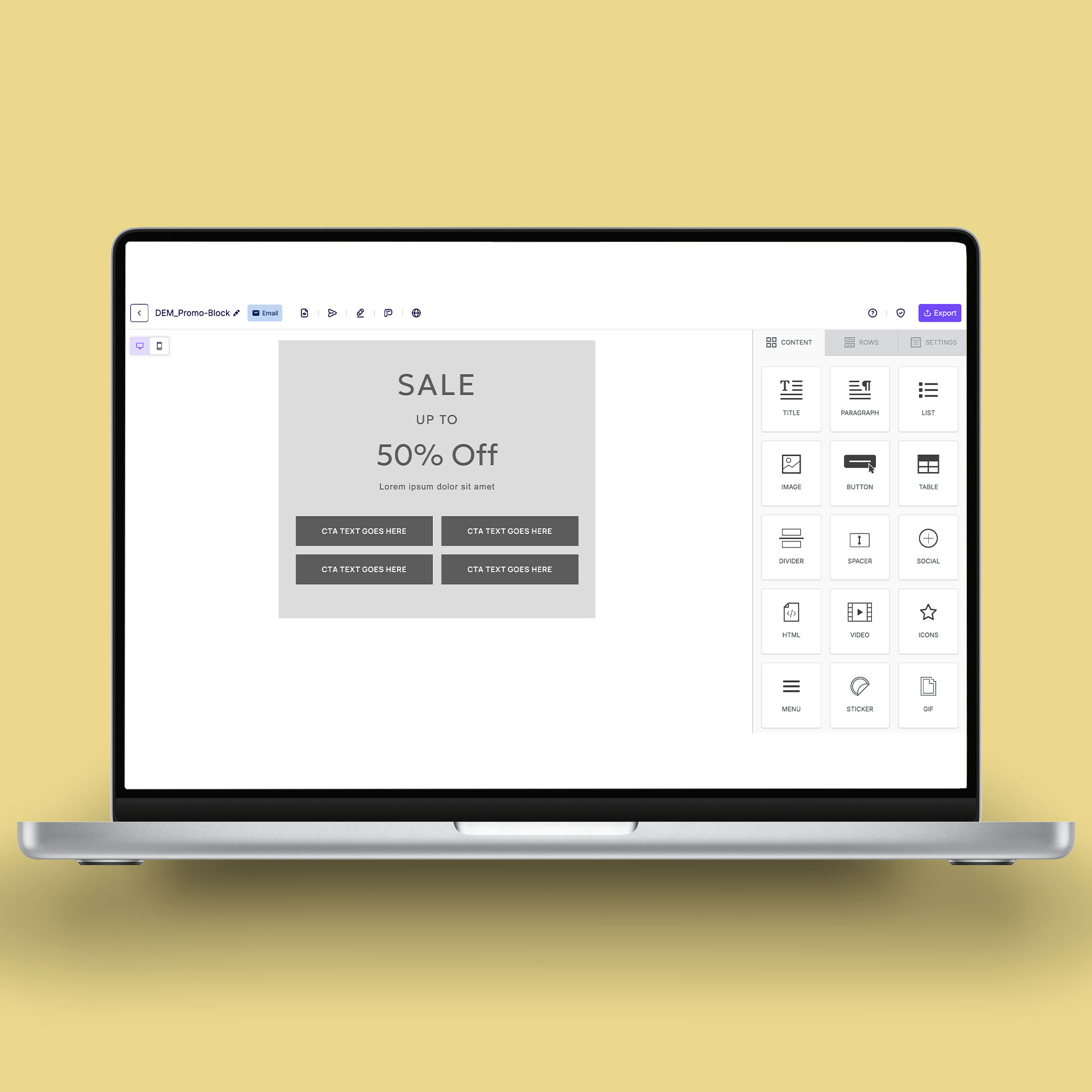
I built a parallel end-to-end workflow that removed operational complexity. Graphic designers created modules in BeeFree with a WYSIWYG editor. These modules were exported as fully responsive HTML and enriched with AMPscript by the UX and Dev teams. I developed an internal generator that allowed the Web Marketing team to assemble templates with all logic (conditions, variables, dynamic content) already embedded. They only needed to upload text, translations, images, and links in a single file.

Outcome

Email creation became dramatically faster and more scalable. The team could manage multiple templates, countries, and languages without touching complex code. Consistency improved, production time dropped, and the overall quality of email experiences increased across all markets.