Magento


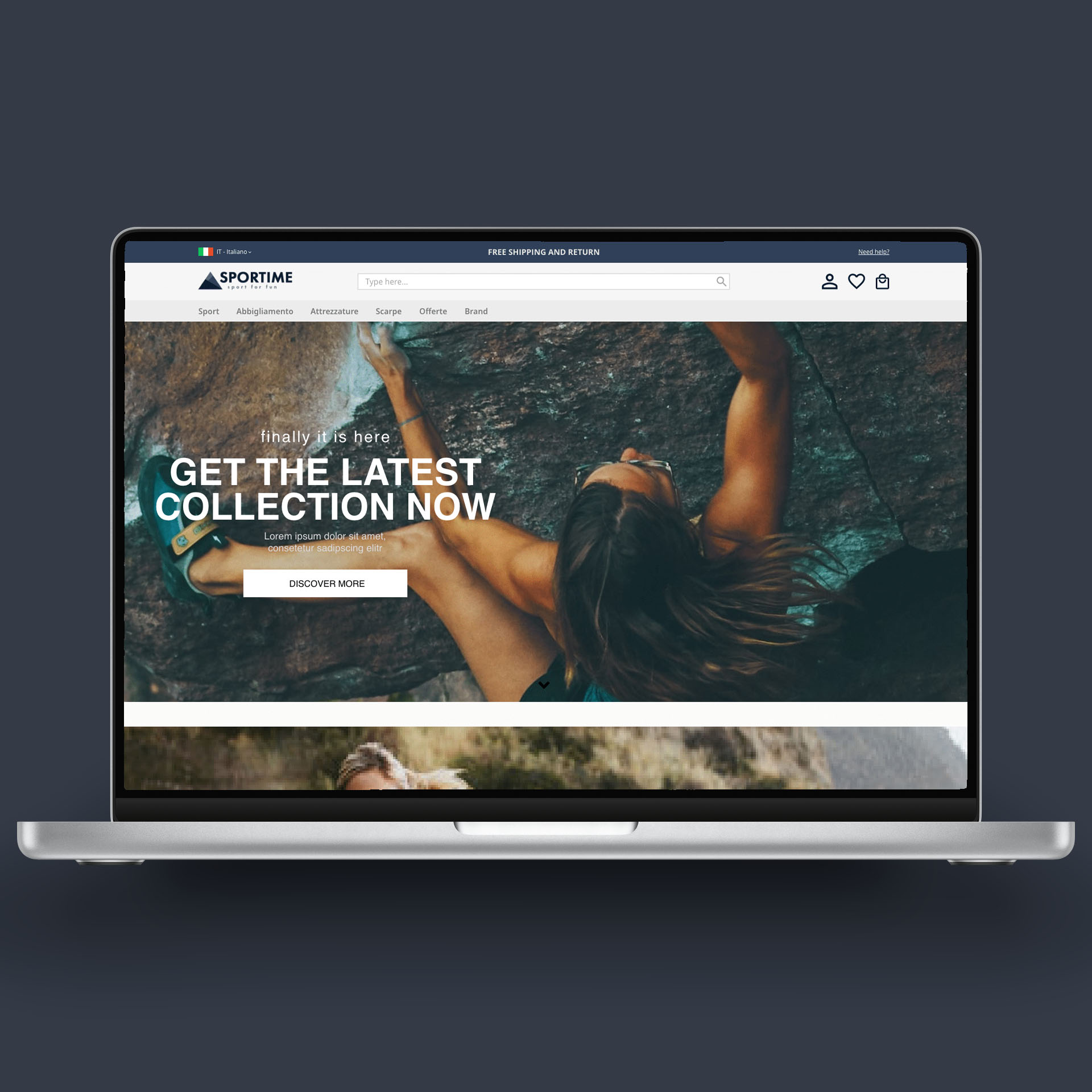
Magento hero

Project Overview

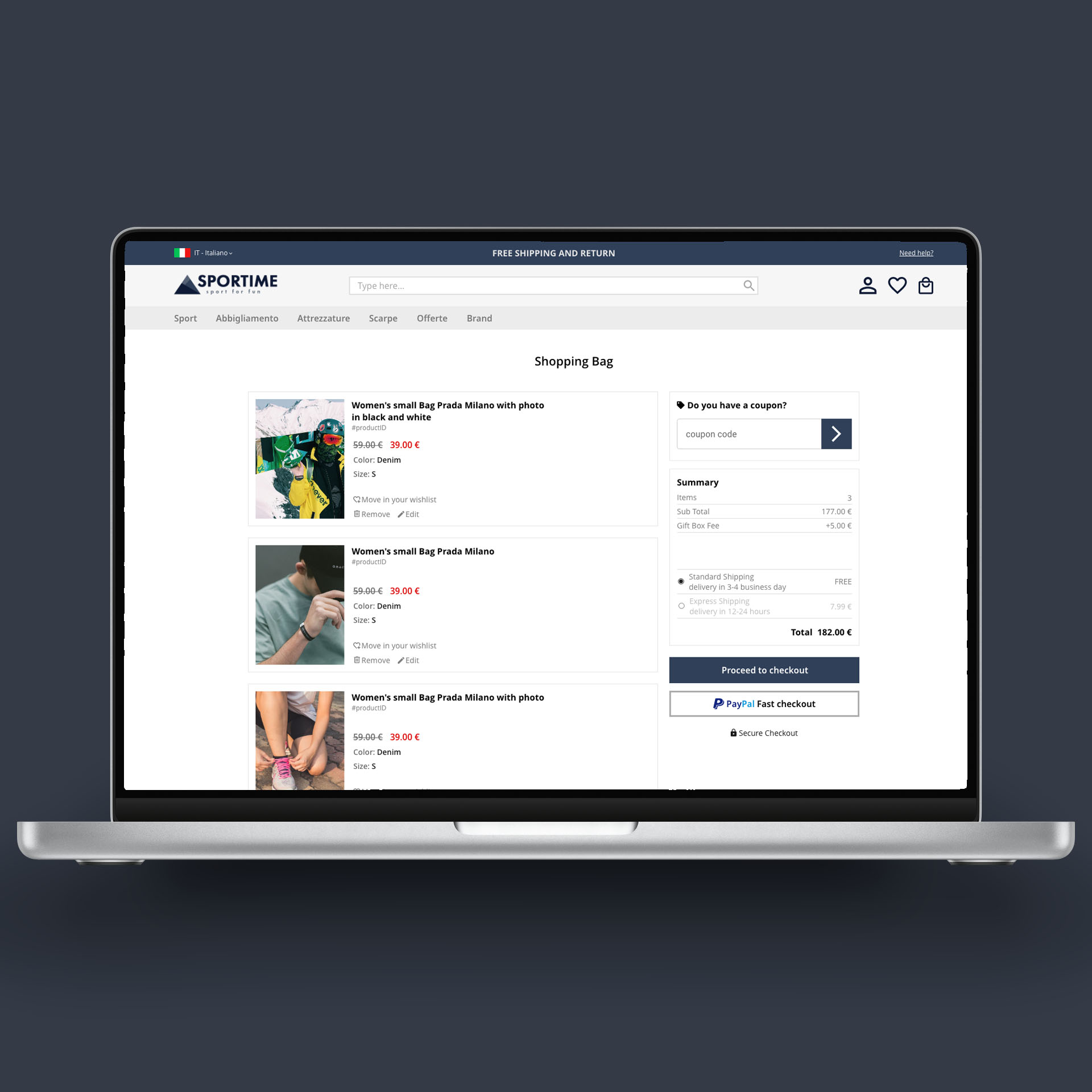
The project involved creating a flexible, modern Magento theme specifically designed to optimize conversion rates for e-commerce businesses. The theme needed to provide a solid foundation that could be easily customized while maintaining performance and user experience standards.

The goal was to develop a conversion-optimized theme that combines modern design principles with Magento's powerful e-commerce capabilities, ensuring that businesses can quickly deploy an effective online store without extensive custom development.

The Problem

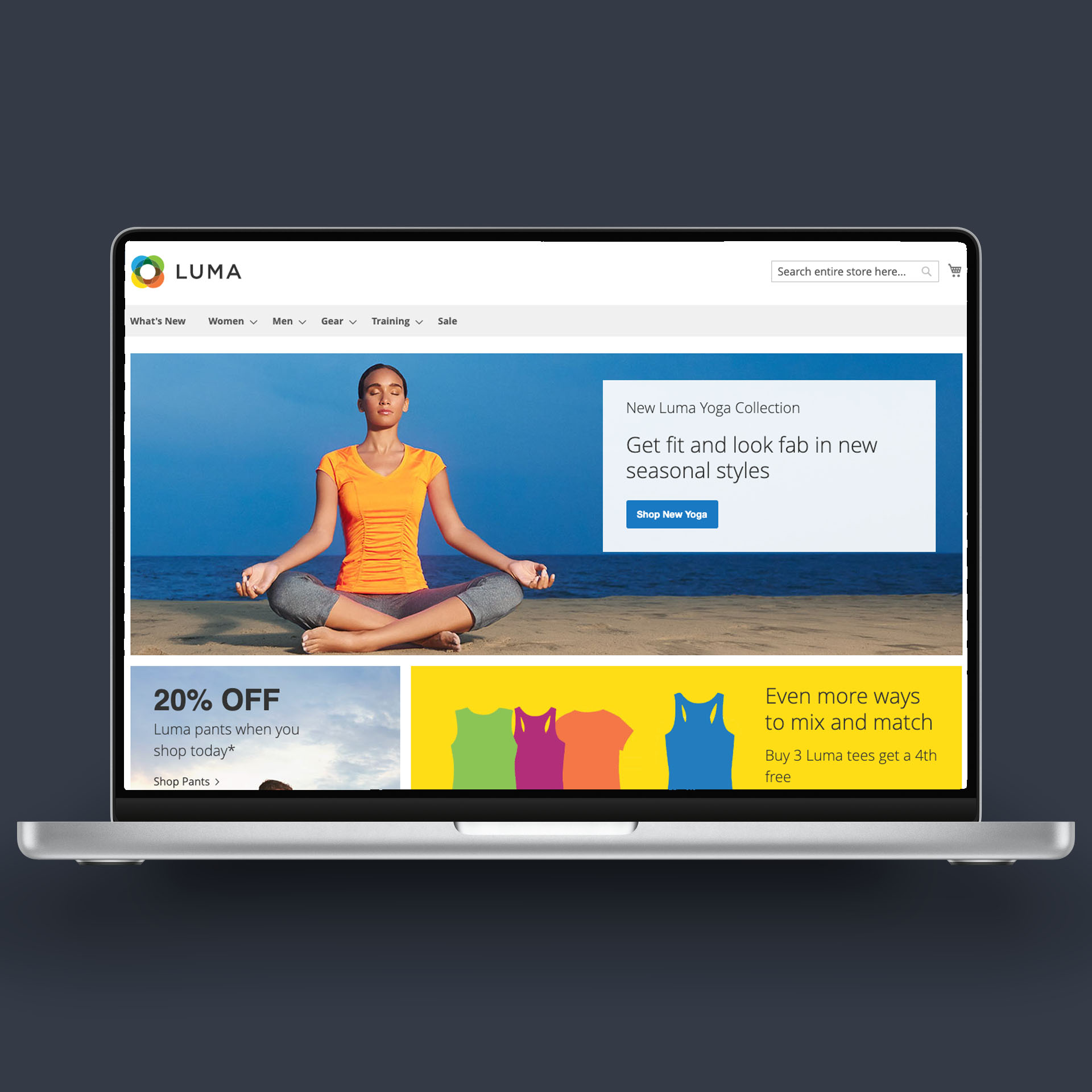
There was a need to create a Magento theme that would be flexible, modern, and specifically designed to convert. Existing Magento themes often lacked the flexibility needed for customization, were outdated in design, or weren't optimized for conversion rates.

Key challenges included:

  • Lack of flexibility — existing themes were too rigid and difficult to customize
  • Outdated design — many themes didn't follow modern design principles
  • Poor conversion optimization — themes weren't designed with conversion goals in mind
  • Complex customization — making changes required extensive technical knowledge
  • Team training needs — teams needed guidance on how to effectively use the theme

A new theme was needed that would address these issues while providing a solid foundation for building successful e-commerce stores on Magento.

Magento problem context

Research & Discovery

I conducted research on best practices for e-commerce conversion optimization and analyzed successful Magento implementations to understand what makes a theme both flexible and effective. I studied modern design trends, conversion-focused UX patterns, and Magento's technical capabilities to inform the theme architecture.

Key insights from the research:
Flexibility requires modularity — a theme should be built with reusable components
Modern design principles — clean interfaces, clear hierarchy, and mobile-first approach
Conversion optimization — strategic placement of CTAs, trust signals, and streamlined checkout
Performance matters — fast loading times are critical for e-commerce success
Ease of use — teams need intuitive tools and clear documentation

These insights guided the design and development strategy: create a theme that balances flexibility with structure, modern aesthetics with conversion optimization, and technical excellence with ease of use.

UX & UI Design

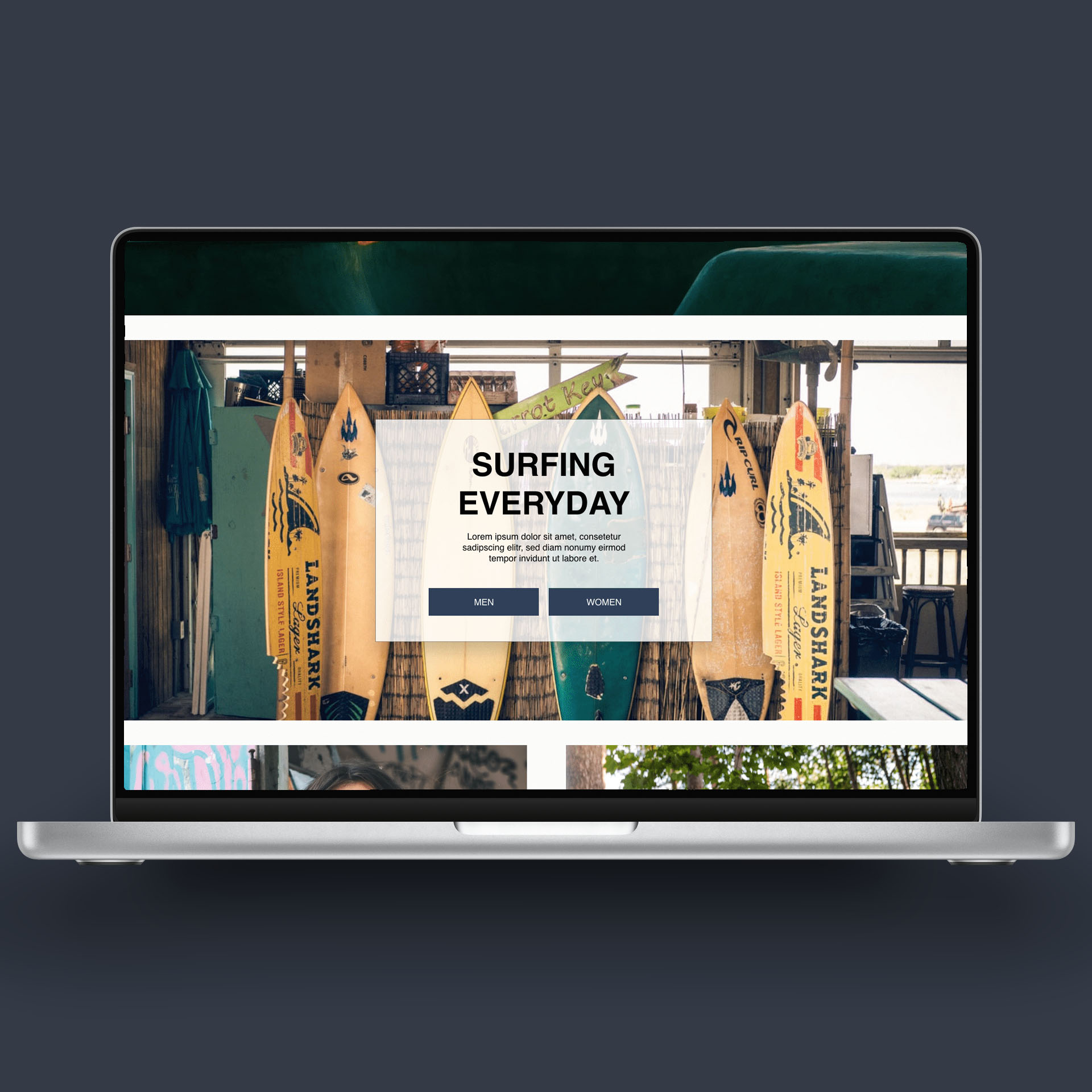
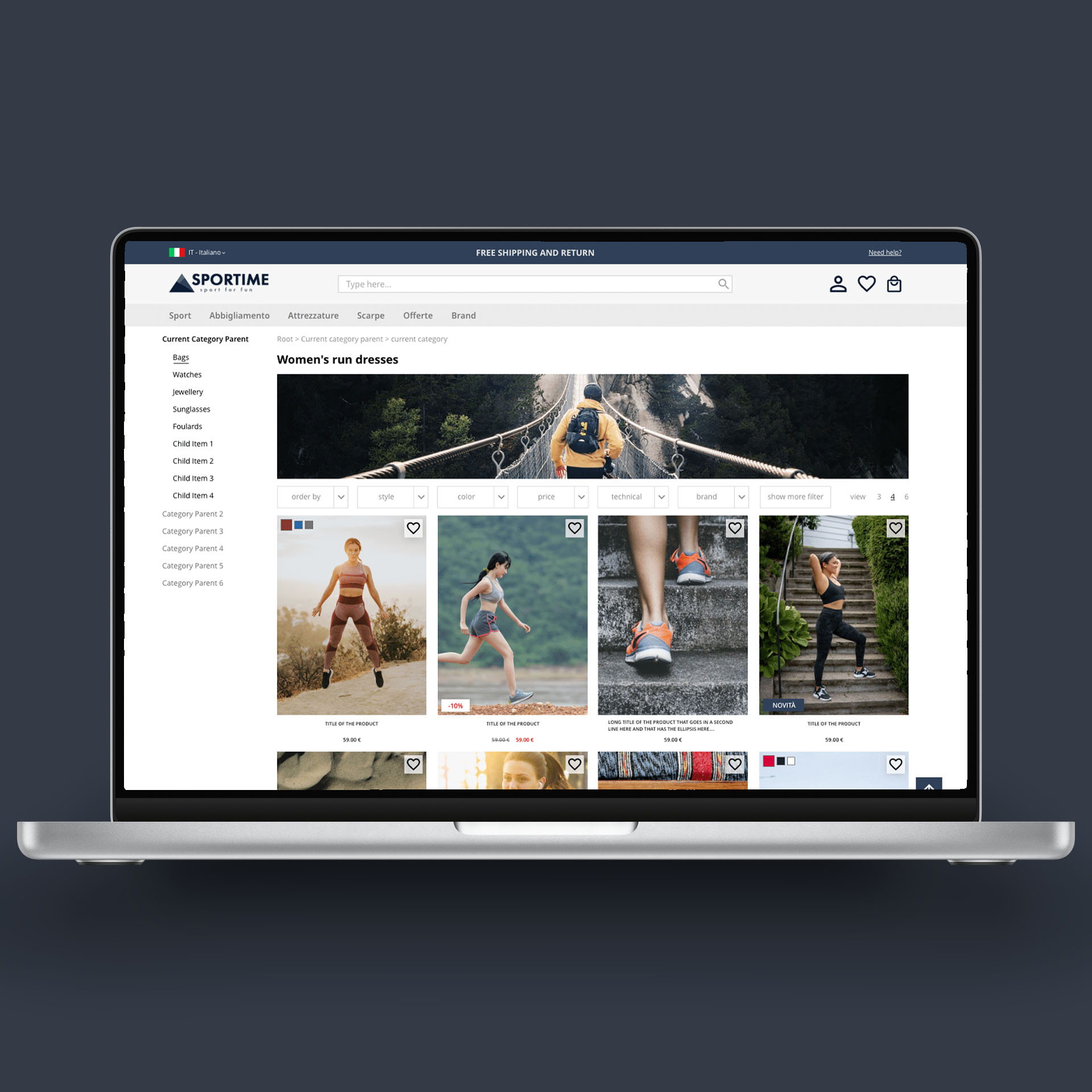
I designed a complete theme system for Magento that combines modern aesthetics with conversion-optimized layouts. The design emphasizes clean interfaces, clear visual hierarchy, and intuitive navigation patterns that guide users through the shopping journey.

The UI is built with flexibility in mind, using a modular component system that allows for easy customization while maintaining design consistency. Special attention was given to mobile-first responsive design, ensuring optimal experience across all devices.

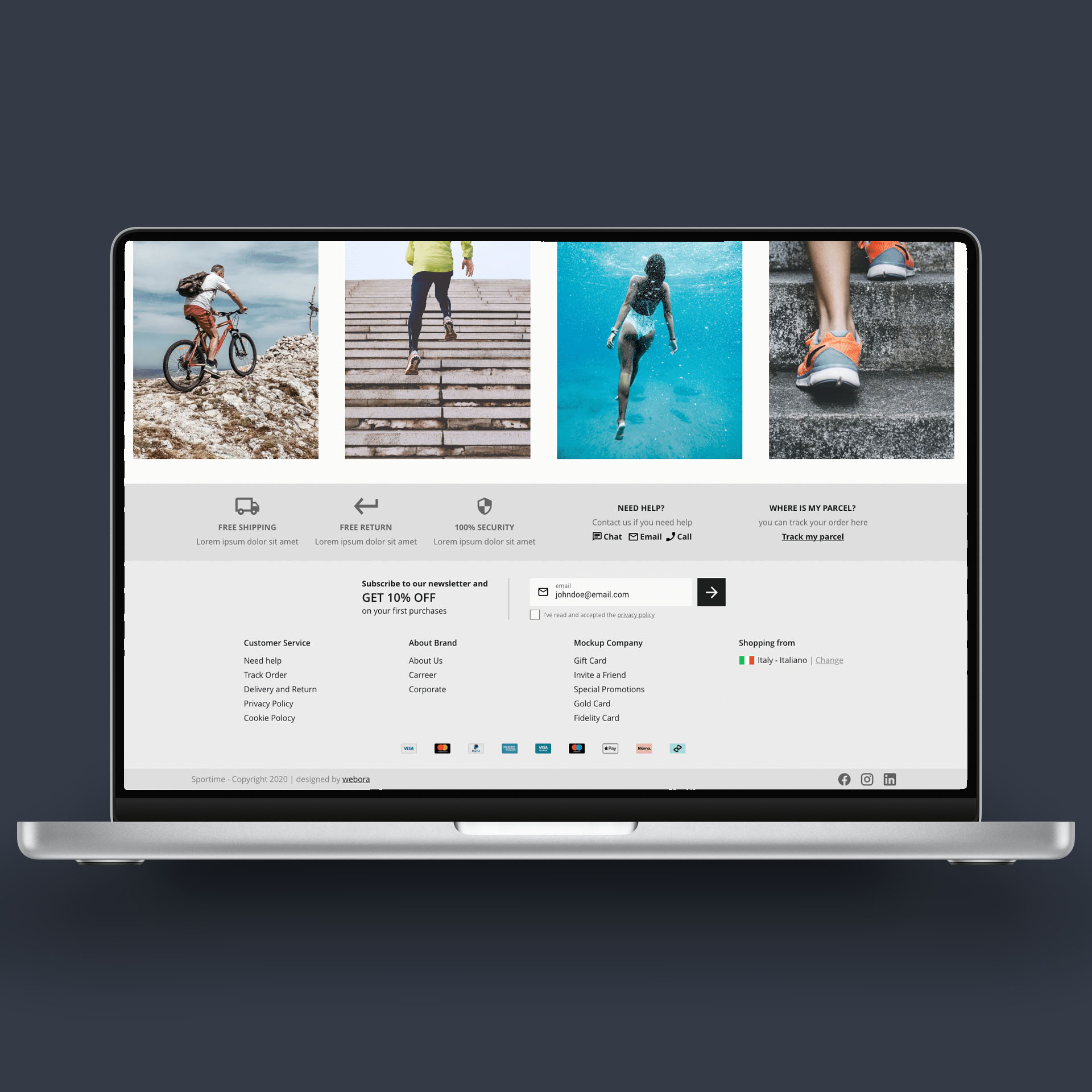
Conversion optimization was integrated throughout the design, with strategic placement of call-to-action buttons, trust signals, product showcase areas, and streamlined checkout flows. The design system includes comprehensive guidelines for typography, colors, spacing, and component usage.

This approach resulted in a modern, flexible theme that provides businesses with a solid foundation for building successful e-commerce stores while maintaining the ability to customize and adapt to specific brand needs.

Development & Implementation

I designed the theme and oversaw an agency that handled the development, ensuring that the technical implementation aligned with the design vision and conversion goals. Throughout the development process, I maintained close collaboration with the agency to ensure quality, performance, and adherence to Magento best practices.

The theme was built using Magento's theming architecture, following platform conventions while implementing modern frontend technologies. The development focused on creating a flexible, maintainable codebase that would be easy to customize and extend.

Once development was complete, I trained the Webora team on how to effectively use and customize the theme. This training covered theme structure, customization options, best practices for maintaining and extending the theme, and how to leverage the theme's flexibility to meet specific client needs.

This comprehensive approach ensured that the theme was not only well-designed and technically sound but also that the team had the knowledge and skills needed to successfully implement and customize it for various projects.