Digital Modules


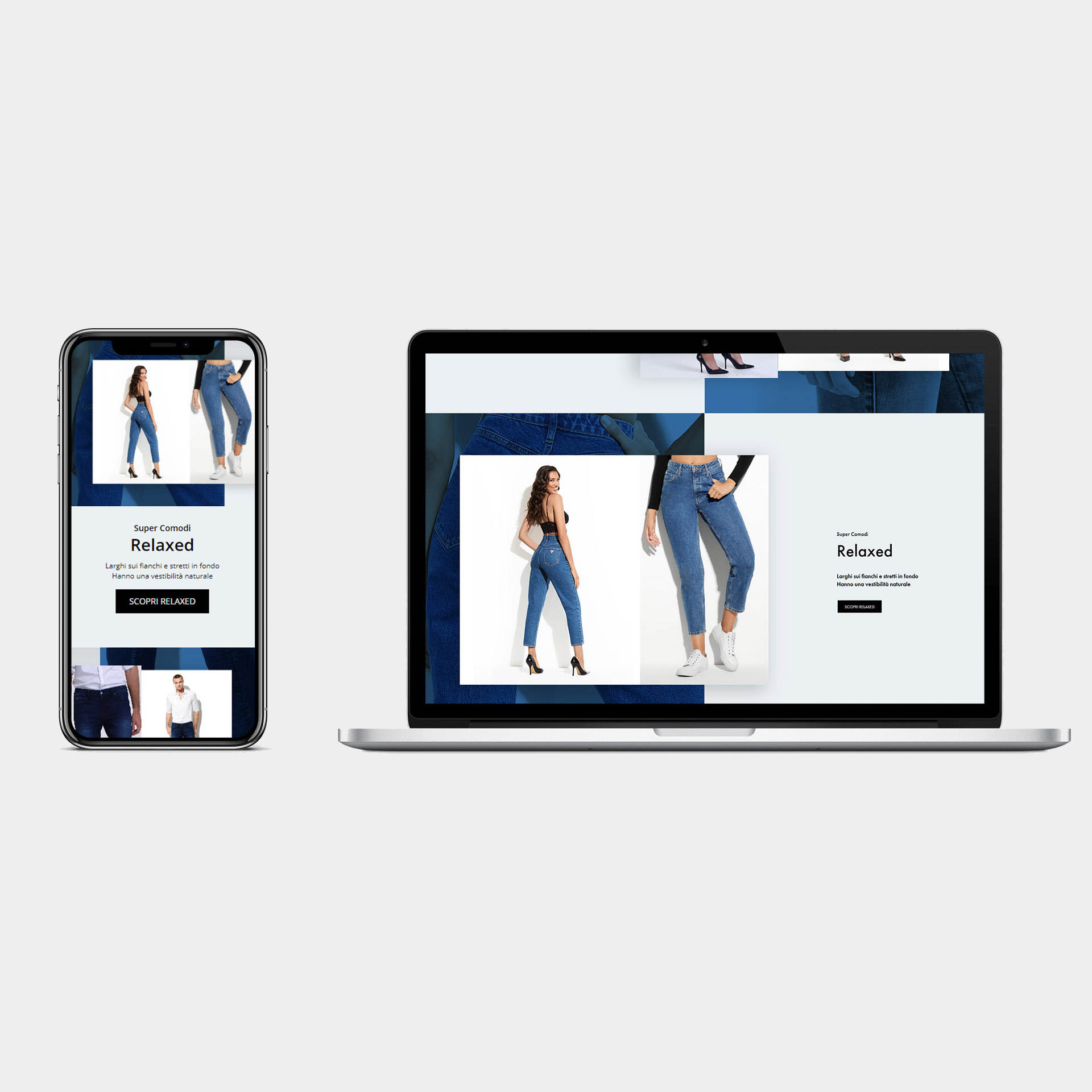
Digital Modules hero

Project Overview

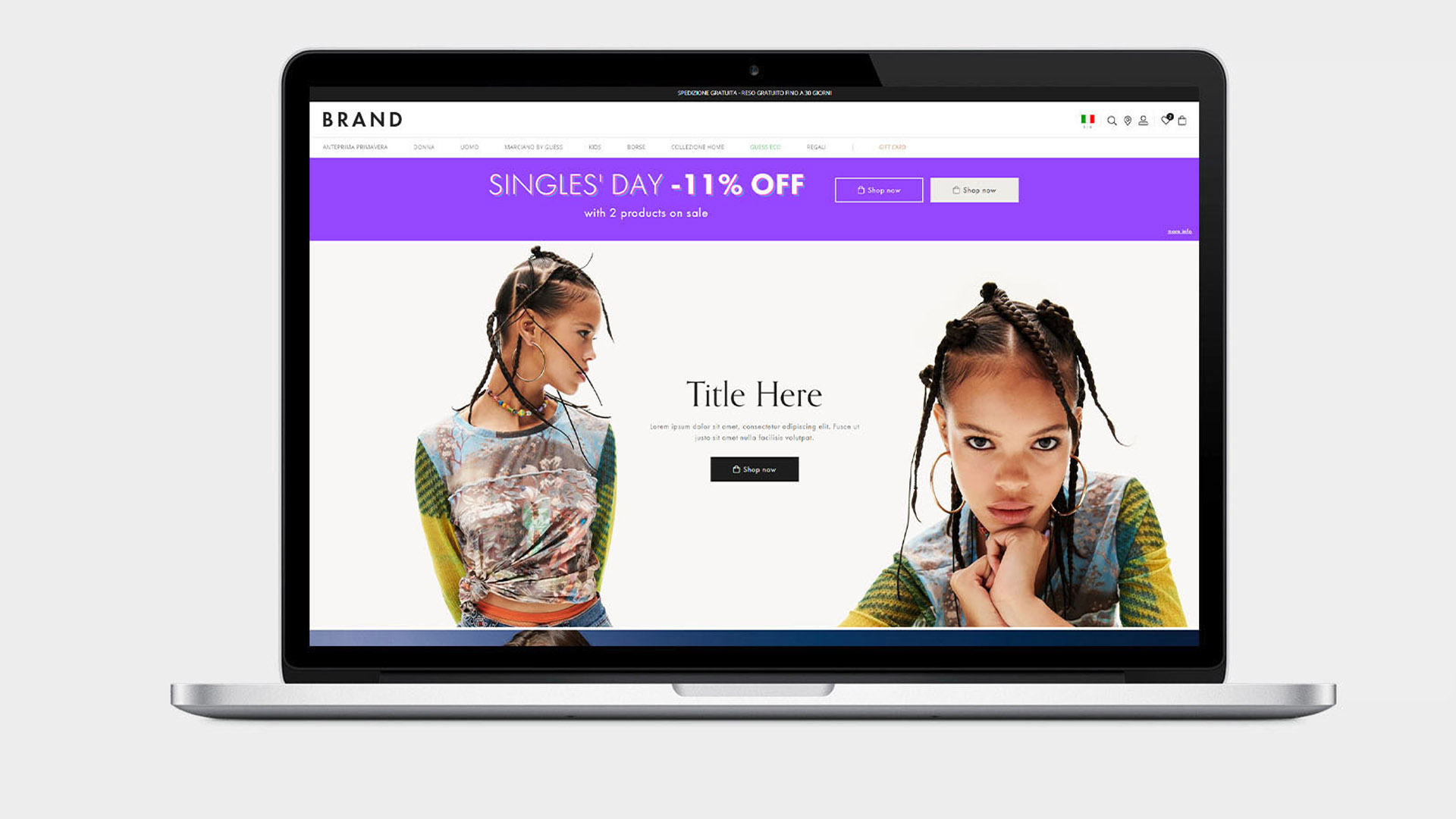
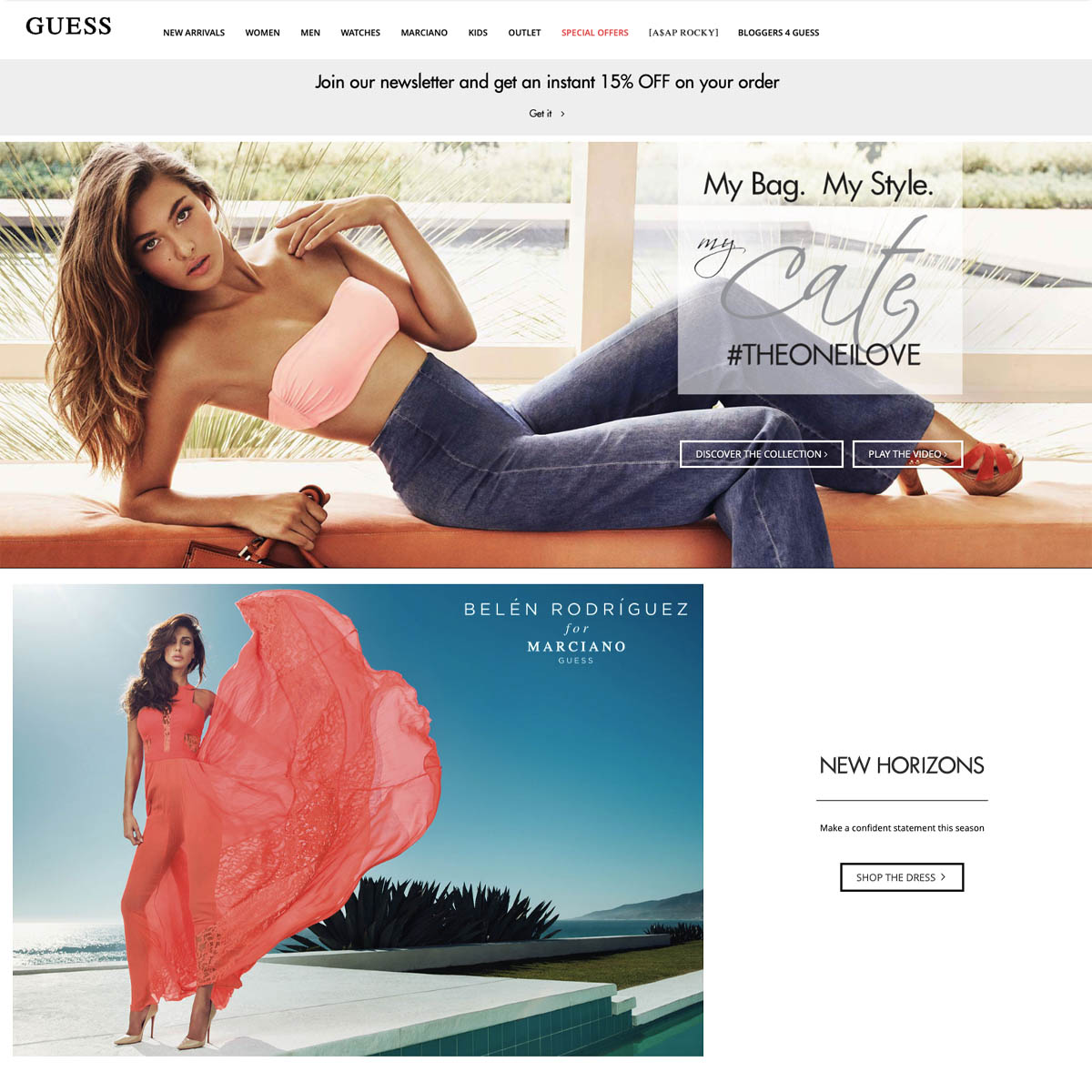
The workflow of the e-commerce business team for content creation and going live was not efficient from both a process and technical perspective. The graphic team, together with the product team, created content in Photoshop and asked the development team to implement pages without following a design system or templates.

The goal was to create a flexible design system that would allow creative expression without feeling constrained by templates, while dramatically reducing development time and ensuring consistency across all devices and browsers.
The Problem

The graphic team, together with the product team, created content in Photoshop and asked the development team to implement pages without following a design system or templates.

Key issues included:

  • Inefficient workflow — content creation and deployment process was slow and fragmented
  • No design system — each page was created from scratch without consistency
  • No templates — developers had to build everything custom each time
  • Time-consuming development — significant time lost in implementation
  • Extensive testing required — every page needed testing across all devices and browsers
  • Lack of standardization — no reusable components or patterns

This approach resulted in inefficient processes that consumed both development and testing time, making it difficult to quickly create and deploy new content.

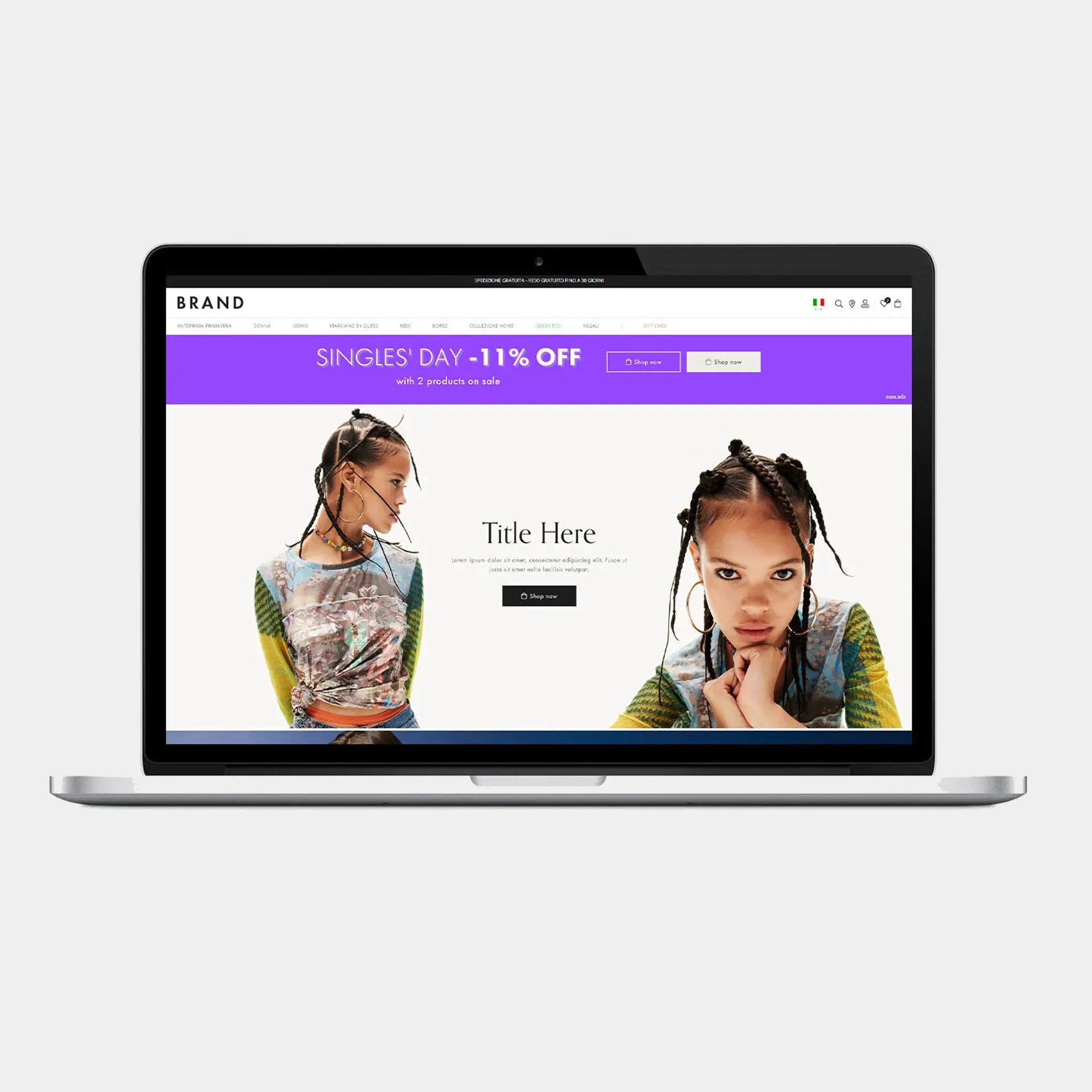
Digital Modules problem context

Research & Discovery

I had extensive conversations with the product and content teams to find a way to create a non-restrictive design system that would allow flexibility for creative expression without feeling constrained by templates.

From this communication, a solution emerged: a set of dynamic modules capable of adapting through the ability to vary each module and differentiate based on resolution. These modules were pre-tested via BrowserStack on the main browsers and devices, eliminating the need for extensive manual testing with each deployment.

Key insights from the collaboration:
Flexibility is essential — teams need creative freedom, not rigid templates
Modular approach — dynamic modules can adapt to different needs
Responsive by design — modules differentiate based on resolution automatically
Pre-testing saves time — BrowserStack testing eliminates manual device testing

This collaborative approach ensured that the solution would meet both creative needs and technical efficiency requirements.

Design & Development

I handled the module design in Figma and the creation of HTML, CSS, and JavaScript code structured in a way that allows modules to be loaded onto a site without risking interference with the site's UI and without being overwritten by the site's CSS rules.

The code is built using CSS encapsulation techniques such as scoped styles, specific class naming conventions, that ensure module styles are isolated. This means each module has its own self-contained styling namespace that won't conflict with existing site styles, while also using CSS specificity strategies to prevent the site's global styles from overriding module styles unintentionally.

The modules are pre-tested via BrowserStack on the main browsers and devices, ensuring compatibility and eliminating the need for extensive manual testing. Each module is designed to be responsive by default, automatically adapting to different screen resolutions and device types.

This approach resulted in a robust, flexible module system that dramatically accelerates content creation while maintaining design consistency and technical quality.

Results & Impact

The Digital Modules system delivered dramatic improvements in workflow efficiency and content creation speed.

Key achievements:

  • 93% time reduction — from 2 weeks to 1 day for homepage or landing page creation
  • 100% testing efficiency — pre-tested modules eliminate manual device and browser testing
  • Consistent quality — standardized modules ensure design system compliance
  • Faster deployment — reduced time from design to live content
  • Creative flexibility — teams can express creativity within the modular system
  • Reduced development overhead — reusable modules minimize custom code needs

The system transformed content creation from a 2-week process into a 1-day operation, enabling the team to respond quickly to business needs while maintaining high quality and consistency across all content.